Difference between revisions of "Ravenea rivularis"
Geoff Stein - Author & Editor
(Created page with "<center>'''Pronunciation''': rah-vih-NEE-uh riv-yoo-LAIR-iss <br/> '''Common Name''': Majesty Palm </center> '''''Ravenea rivularis''''' may be one of the most commonly avail...") |
|||
| Line 40: | Line 40: | ||
File:Ravenea rivularis tall H.JPG|Huntington gardens, California | File:Ravenea rivularis tall H.JPG|Huntington gardens, California | ||
File:Ravenea rivularis with people larb.JPG|Los Angeles arboretum | File:Ravenea rivularis with people larb.JPG|Los Angeles arboretum | ||
| − | File:Ravenea rivularis really tall SCP.jpg|tall | + | File:Ravenea rivularis really tall SCP.jpg|tall transplanted plant, Orange county, California |
| − | File:Ravenea rivulari SCP tall.jpg|tall | + | File:Ravenea rivulari SCP tall.jpg|tall transplanted plant |
File:RAvenea rivularis tall larb.JPG|Los Angeles arboretum | File:RAvenea rivularis tall larb.JPG|Los Angeles arboretum | ||
File:Majesty tall pinch-head Balboa.JPG|Balboa Park, San Diego, California | File:Majesty tall pinch-head Balboa.JPG|Balboa Park, San Diego, California | ||
Revision as of 09:52, 21 August 2014
Common Name: Majesty Palm
Ravenea rivularis may be one of the most commonly available palms in all of the US, but a well grown maturing palm is still an eye-catcher and a worthy specimen. Often sold as indoor plant but not one of the better palm choices for growing indoors. Often sold in groups/multiples but recommend separating before planting. Loves LOTs of water. Tendency for nutritional problems. Eventually develops a large, pale very tall trunk if watered well and grown in the right climate. Even does well in the desert with extreme heat. Fast palm once trunk formed.
|
Appearance and Biology
|
Horticultural Characteristics
|

Huntington gardens, California

Los Angeles arboretum

tall transplanted plant, Orange county, California
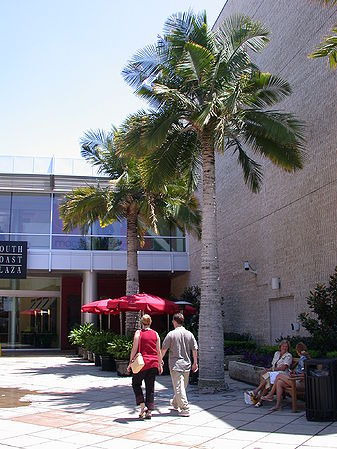
tall transplanted plant
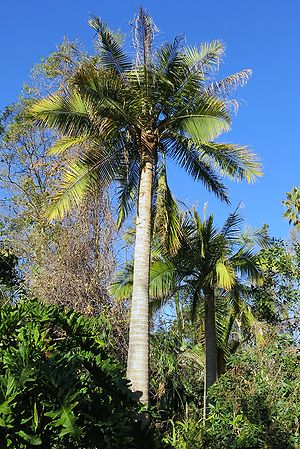
Los Angeles arboretum
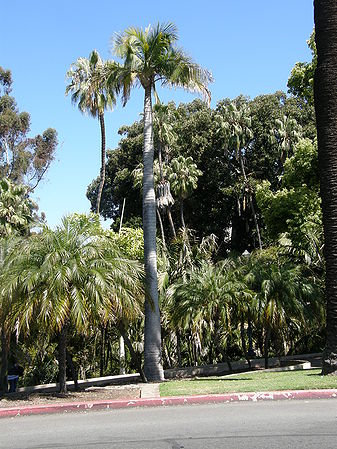
Balboa Park, San Diego, California
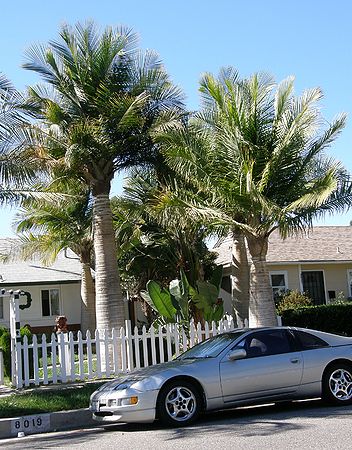
San Fernando valley, California

San Fernando valley, California

Palm Desert tall palm

palm in Living Desert botanical gardens, Palm Desert, California

shorter Palm Desert palm, California

San Fernando valley, California

San Fernando valley, California
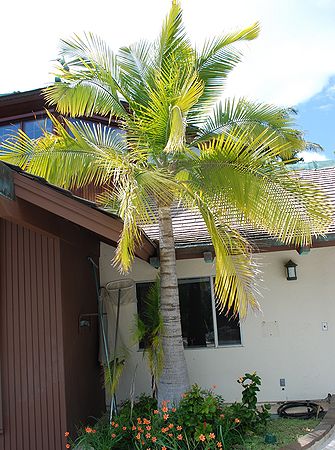
San Diego county, Cal

stunted landscape palm
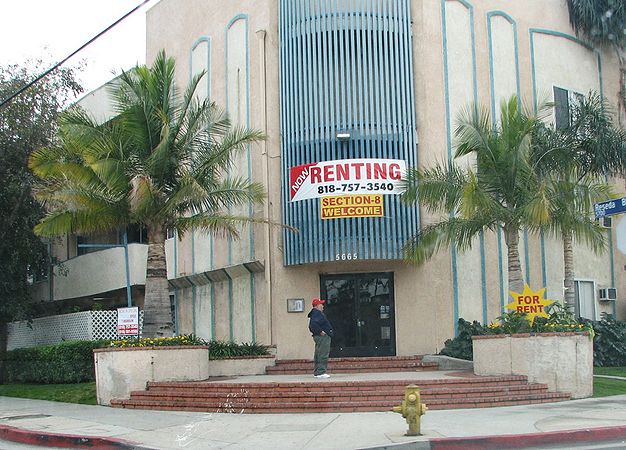
San Fernando valley, California
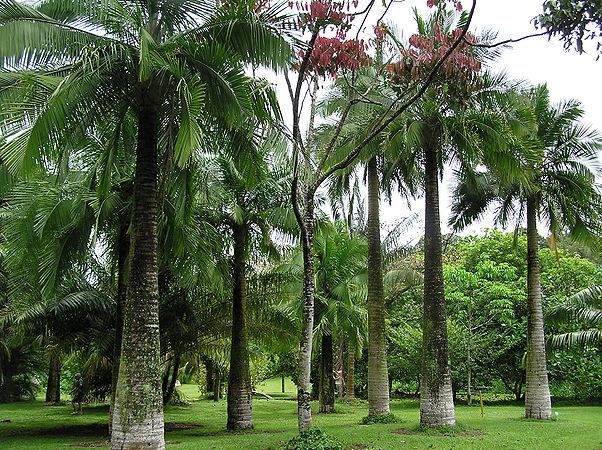
Hawaiian palms

huge trunk of palm growing in stream, Hawaii

juvenile palm trimmed
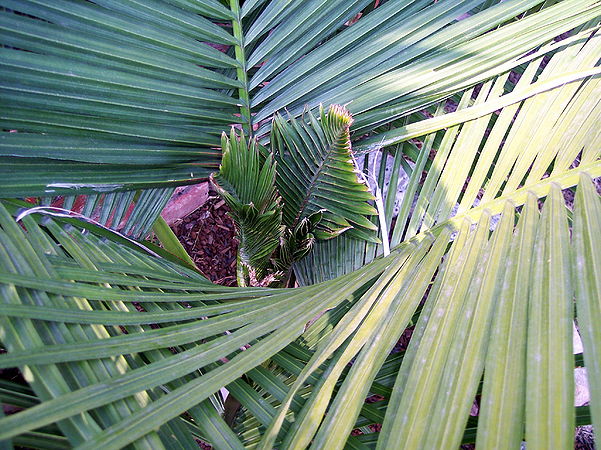
leaf detail and showing some bud damage post severe frost

racing with nearby Dypsis decipiens (eventually began to pull ahead, but barely)- Huntington Gardens, California


