Difference between revisions of "Acanthophoenix crinita"
| (17 intermediate revisions by 2 users not shown) | |||
| Line 1: | Line 1: | ||
| − | __noeditsection__ | + | <big>__noeditsection__ |
| − | '''White Barbel Palm''' | + | '''White Barbel Palm'''</big> |
{{Palmbox | {{Palmbox | ||
|image=GBPIX_photo_595699.jpg | |image=GBPIX_photo_595699.jpg | ||
| Line 27: | Line 27: | ||
This solitary, monoecious palm is rare on La Réunion Island, cause it was used for the cabbage. Thus, is very threatened species. The trunk have black spines, like the underside of the leaves (like the Acanthophoenix rubra ). It is smaller than the red palmist (Acanthophoenix rubra ), with 5 meters height max. | This solitary, monoecious palm is rare on La Réunion Island, cause it was used for the cabbage. Thus, is very threatened species. The trunk have black spines, like the underside of the leaves (like the Acanthophoenix rubra ). It is smaller than the red palmist (Acanthophoenix rubra ), with 5 meters height max. | ||
| − | Until recently this was lumped in with all the other ''Acanthophoenix'', but now there are three separate species of this genus.. .and that is a good thing, since otherwise I could make no sense of it from a cultural point of view... [[A._rubra|''A. rubra'']], which is what all used to be called, was so marginal in my yard, I couldn't get one to last a winter... yet this palm did great. Now that they are from two different locations on the Mauritius and Reunion Islands, it makes sense they could be such different palms. | + | Until recently this was lumped in with all the other ''Acanthophoenix'', but now there are three separate species of this genus.. .and that is a good thing, since otherwise I could make no sense of it from a cultural point of view... [[A._rubra|''A. rubra'']], which is what all used to be called, was so marginal in my yard, I couldn't get one to last a winter..... yet this palm did great. Now that they are from two different locations on the Mauritius and Reunion Islands, it makes sense they could be such different palms. |
{{read more bottom}} | {{read more bottom}} | ||
==Culture== | ==Culture== | ||
| Line 44: | Line 44: | ||
Etymology: The specific epithet honors the Roussel family who owns the 202 hectare (500 acre) property where the species was first identified. | Etymology: The specific epithet honors the Roussel family who owns the 202 hectare (500 acre) property where the species was first identified. | ||
| + | |||
| + | Genus Name Meaning: Comes from 2 Greek words meaning 'spine' and 'date palm' (generalized to just 'palm' as with other names using phoenix as part of their name). | ||
| + | Species Name Meaning: Means long hair and probably refers to the dense spines covering the crownshaft. | ||
Morphology: Stems; All Acanthophoenix palms are single-stemmed palms with the characteristic “elephant foot” base. The older the specimen, the more swollen the stem base; although it appears that the swelling is more accentuated in | Morphology: Stems; All Acanthophoenix palms are single-stemmed palms with the characteristic “elephant foot” base. The older the specimen, the more swollen the stem base; although it appears that the swelling is more accentuated in | ||
| Line 70: | Line 73: | ||
image:Acanthophoenix_crinita01.JPG|Photo by Hery, La Reunion | image:Acanthophoenix_crinita01.JPG|Photo by Hery, La Reunion | ||
Image:Acanthophoenix Velez.jpg | Image:Acanthophoenix Velez.jpg | ||
| − | image:-gallery-members-Acanthophoenix- | + | image:-gallery-members-Acanthophoenix-crinita_Benezet.jpg|Foret de Belouve, Salazie La Réunion, photo by Ruddy Benezet, Royal Botanic Gardens, Kew/Palmweb. |
| + | File:palm_tc_1610_1.jpg|Foret de Belouve, Salazie La Réunion, photo by Ruddy Benezet, Royal Botanic Gardens, Kew/Palmweb. | ||
| + | File:palm_tc_1610_2.jpg|Foret de Belouve, Salazie La Réunion, photo by Ruddy Benezet, Royal Botanic Gardens, Kew/Palmweb. | ||
| + | File:palm_tc_1610_3.jpg|Foret de Belouve, Salazie La Réunion, photo by Ruddy Benezet, Royal Botanic Gardens, Kew/Palmweb. | ||
| + | File:palm_tc_1610_4.jpg|Foret de Belouve, Salazie La Réunion, photo by Ruddy Benezet, Royal Botanic Gardens, Kew/Palmweb. | ||
| + | File:palm_tc_1610_5.jpg|Foret de Belouve, Salazie La Réunion, photo by Ruddy Benezet, Royal Botanic Gardens, Kew/Palmweb. | ||
| + | |||
image:5207557249_0f56979b8c_b.jpg | image:5207557249_0f56979b8c_b.jpg | ||
image:6877000076_fa8a9522e8_k.jpg | image:6877000076_fa8a9522e8_k.jpg | ||
image:7023100687_5b12702255_k.jpg | image:7023100687_5b12702255_k.jpg | ||
| − | image: | + | image:Ac1.jpg |
| − | image: | + | image:Ac2.jpg |
image:Acanthophoenix-Crinita.png | image:Acanthophoenix-Crinita.png | ||
| − | image: | + | image:Crinita.jpg|A. crinita in center of the island, at 1500m altitude, near the Belouve forest. Photo by Franck Feuillade |
| − | image: | + | image:Crinita02.jpg|A. crinita in center of the island, at 1500m altitude, near the Belouve forest. Photo by Franck Feuillade |
| − | image: | + | image:Crinita03.jpg|A. crinita in center of the island, at 1500m altitude, near the Belouve forest. Photo by Franck Feuillade |
| − | image: | + | image:Crinita04.jpg|A. crinita in center of the island, at 1500m altitude, near the Belouve forest. Photo by Franck Feuillade |
image:GBPIX_photo_595685.jpg|On an old lava flow of the volcano La fournaise, La Réunion Island. "Photo by Olivier Reilhes" | image:GBPIX_photo_595685.jpg|On an old lava flow of the volcano La fournaise, La Réunion Island. "Photo by Olivier Reilhes" | ||
image:GBPIX_photo_595689.jpg|On an old lava flow of the volcano La fournaise, La Réunion Island. "Photo by Olivier Reilhes" | image:GBPIX_photo_595689.jpg|On an old lava flow of the volcano La fournaise, La Réunion Island. "Photo by Olivier Reilhes" | ||
| Line 105: | Line 114: | ||
image:GBPIX_photo_595718.jpg|On an old lava flow of the volcano La fournaise, La Réunion Island. "Photo by Olivier Reilhes" | image:GBPIX_photo_595718.jpg|On an old lava flow of the volcano La fournaise, La Réunion Island. "Photo by Olivier Reilhes" | ||
image:GBPIX_photo_595732.jpg|On an old lava flow of the volcano La fournaise, La Réunion Island. "Photo by Olivier Reilhes" | image:GBPIX_photo_595732.jpg|On an old lava flow of the volcano La fournaise, La Réunion Island. "Photo by Olivier Reilhes" | ||
| + | |||
| + | |||
| + | File:GBPIX_photo_507778.jpg|On an old lava flow of the volcano La fournaise, La Réunion Island. "Photo by Olivier Reilhes" | ||
| + | File:GBPIX_photo_507779.jpg|On an old lava flow of the volcano La fournaise, La Réunion Island. "Photo by Olivier Reilhes" | ||
| + | File:GBPIX_photo_507780.jpg|On an old lava flow of the volcano La fournaise, La Réunion Island. "Photo by Olivier Reilhes" | ||
| + | File:GBPIX_photo_507781.jpg|On an old lava flow of the volcano La fournaise, La Réunion Island. "Photo by Olivier Reilhes" | ||
| + | File:GBPIX_photo_507783.jpg|On an old lava flow of the volcano La fournaise, La Réunion Island. "Photo by Olivier Reilhes" | ||
| + | File:GBPIX_photo_507784.jpg|On an old lava flow of the volcano La fournaise, La Réunion Island. "Photo by Olivier Reilhes" | ||
| + | File:GBPIX_photo_507785.jpg|On an old lava flow of the volcano La fournaise, La Réunion Island. "Photo by Olivier Reilhes" | ||
| + | File:GBPIX_photo_507786.jpg|On an old lava flow of the volcano La fournaise, La Réunion Island. "Photo by Olivier Reilhes" | ||
| + | File:GBPIX_photo_507787.jpg|On an old lava flow of the volcano La fournaise, La Réunion Island. "Photo by Olivier Reilhes" | ||
| + | File:GBPIX_photo_507788.jpg|On an old lava flow of the volcano La fournaise, La Réunion Island. "Photo by Olivier Reilhes" | ||
| + | File:post-264-0-05068300-1410499914.jpg|New Zealand. Photo by Rich. | ||
| + | |||
| + | File:Acanthophoenix-crinita-G3x.jpg|Palmalito.com | ||
image:Palmiste_noir_gaine_foliaire_P1090519.JPG | image:Palmiste_noir_gaine_foliaire_P1090519.JPG | ||
image:Palmiste_noir_P1090527.jpg | image:Palmiste_noir_P1090527.jpg | ||
| Line 112: | Line 136: | ||
image:Ac005.jpg|At Gary Le Vine's place. Photo by Geoff Stein | image:Ac005.jpg|At Gary Le Vine's place. Photo by Geoff Stein | ||
image:Ac006.jpg|At Gary Le Vine's place. Photo by Geoff Stein | image:Ac006.jpg|At Gary Le Vine's place. Photo by Geoff Stein | ||
| − | image: | + | image:Ac007.jpg|At Gary Le Vine's place. Photo by Geoff Stein |
| + | File:Acanthophoenix crinita nice K.jpg|At Gary Le Vine's place. Photo by Geoff Stein | ||
| + | File:Acanthophoenix crinita crownshaft K.jpg|At Gary Le Vine's place. Photo by Geoff Stein | ||
| + | File:Acanthophoenix_1_levine.jpg|At Gary Le Vine's place. Photo by Geoff Stein | ||
| + | File:Acanthophoenix_crinita_Velez.jpg|At Gary Le Vine's place. Photo by Geoff Stein | ||
| + | File:Acanthophoenix_crinita_specimen.jpg|Florabunda Palms. Hilo. Photo by Paul Craft. | ||
| + | File:Acanthophoenix_crinita_leaf_bases.jpg|Florabunda Palms. Hilo. Photo by Paul Craft. | ||
| + | File:Acanthophoenix_crinita_flower_spathes.jpg|Florabunda Palms. Hilo. Photo by Paul Craft. | ||
| + | File:Acanthophoenix_crinita_inflorescence.jpg|Florabunda Palms. Hilo. Photo by Paul Craft. | ||
| + | File:Acanthophoenix_crinita_flowers.jpg|Florabunda Palms. Hilo. Photo by Paul Craft. | ||
image:Ac008.jpg|A. rubra on left, and on right A. crinita ; both are approx. 3 yrs old. | image:Ac008.jpg|A. rubra on left, and on right A. crinita ; both are approx. 3 yrs old. | ||
image:Ac009.jpg|At Gary Le Vine's place. Photo by Geoff Stein | image:Ac009.jpg|At Gary Le Vine's place. Photo by Geoff Stein | ||
| Line 121: | Line 154: | ||
File:post-27-0-12591400-1417627045.jpg|Oceanside, CA. First inflorescence. Photo by Bill Sanford | File:post-27-0-12591400-1417627045.jpg|Oceanside, CA. First inflorescence. Photo by Bill Sanford | ||
| + | File:acanthophoenix-crinita-11420004_0_1_800x1600_38f67.jpg | ||
| + | File:acanthophoenix-crinita-11420006_0_1_800x1600_38f67.jpg | ||
| + | File:acanthophoenix-crinita-11420094_0_1_800x1600_38f67.jpg | ||
| + | File:acanthophoenix-crinita-11420095_0_1_800x1600_38f67.jpg | ||
| + | |||
| + | |||
| + | File:ac4553109688.JPG|La fournaise, La Réunion Island. Photo by Denis Payet | ||
| + | File:ac2109578843.JPG|La fournaise, La Réunion Island. Photo by Denis Payet | ||
| + | File:ac441174890.JPG|La fournaise, La Réunion Island. Photo by Denis Payet | ||
| + | File:ca1095684277.JPG|La fournaise, La Réunion Island. Photo by Denis Payet | ||
| + | File:ac308944177.JPG|La fournaise, La Réunion Island. Photo by Denis Payet | ||
| + | File:takamaka_13.jpg|La fournaise, La Réunion Island. photo by pilou | ||
| + | File:takamaka_14.jpg|La fournaise, La Réunion Island. photo by pilou | ||
| + | File:takamaka_15.jpg|La fournaise, La Réunion Island. photo by pilou | ||
| + | File:takamaka_16.jpg|La fournaise, La Réunion Island. photo by pilou | ||
| + | File:takamaka_17.jpg|La fournaise, La Réunion Island. photo by pilou | ||
| + | File:takamaka_18.jpg|La fournaise, La Réunion Island. photo by pilou | ||
| + | File:takamaka_19.jpg|La fournaise, La Réunion Island. photo by pilou | ||
| + | File:takamaka_20.jpg|La fournaise, La Réunion Island. photo by pilou | ||
| + | File:takamaka_21.jpg|La fournaise, La Réunion Island. photo by pilou | ||
| + | File:takamaka_22.jpg|La fournaise, La Réunion Island. photo by pilou | ||
| + | File:takamaka_23.jpg|La fournaise, La Réunion Island. photo by pilou | ||
| + | File:takamaka_24.jpg|La fournaise, La Réunion Island. photo by pilou | ||
| + | File:takamaka_25.jpg|La fournaise, La Réunion Island. photo by pilou | ||
| + | File:takamaka_26.jpg|La fournaise, La Réunion Island. photo by pilou | ||
| + | File:takamaka_27.jpg|La fournaise, La Réunion Island. photo by pilou | ||
| + | File:takamaka_28.jpg|La fournaise, La Réunion Island. photo by pilou | ||
| + | File:GBPIX_photo_482914.jpg|La fournaise, La Réunion Island. Photo by licuala | ||
| + | File:GBPIX_photo_482917.jpg|La fournaise, La Réunion Island. Photo by licuala | ||
| + | File:GBPIX_photo_482918.jpg|La fournaise, La Réunion Island. Photo by licuala | ||
| + | File:GBPIX_photo_291078.jpg|La fournaise, La Réunion Island. Photo by licuala | ||
</gallery></center> | </gallery></center> | ||
Latest revision as of 22:09, 13 February 2023
White Barbel Palm
| Acanthophoenix (ah-kanth-oh-FEH-niks) crinita (krih-NEET-ah) | |||||||
|---|---|---|---|---|---|---|---|
 On an old lava flow of the volcano La fournaise, La Réunion Island. "Photo by Olivier Reilhes" | |||||||
| Scientific Classification | |||||||
| |||||||
| Synonyms | |||||||
|
| |||||||
| Native Continent | |||||||
 | |||||||
| Morphology | |||||||
| |||||||
| Culture | |||||||
| |||||||
| Survivability index | |||||||
|
| |||||||
| Common names | |||||||
|
| |||||||
Contents
Habitat and Distribution
Acanthophoenix crinita Is endemic to La Réunion Island of the Mascarene archipelago.
Description
Solitary pleonanthic monoecious palm with erect trunk to 15–25 m tall and 20–30 cm in diam., surface light gray, rather smooth, only slightly marked with leaf scars; trunk base swollen in a characteristic “elephant foot.” Leaves pinnate, 15–20 in crown; crownshaft conspicuous, , sheaths 90–120 cm long, 45 cm wide at the base, up to 6 mm thick, abaxially dark brown, covered with dense furlike black hair 6–8 mm long, except on half length median axis where glabrous; petiole and rachis 2.50–3 m long, glabrous or with a fine indument abaxially in the distal part; leaflets 70–80 pairs, pendulous and regularly attached on both edges of the rachis, leaflet tip acute, olive green color on both surface, leaflet midrib adaxially armed with thin reddishbrown bristles 2–4 cm long, thin flexuous dotlike scales on abaxial side of midrib. Inflorescences infrafoliar, first enclosed in a tough unarmed brown prophyll; inflorescences ivory-colored, pendulous, 100–110 cm long, branching to 2 orders with 50–70 rachillae; peduncle base enlarged in a crescent shape where attached to the trunk; peduncle and rachis armed with strong sinuous black spines 2–3 cm long; rachillae bearing densely arranged triads of flowers, two staminate flowers flanking one pistillate flower, all sessile and glabrous. Staminate flowers 12 × 12 mm, ivory white turning to light yellow except pistillode and basal part of filaments pinkcolored; sepals 3, narrow triangular with acute tip, 1.5 mm long; petals 3, elliptic, valvate, 7 × 3 mm; stamens 9 (sometimes 8) with white sagittate anthers 3–4 mm long and coiled filaments 8 mm long; pistillode 2–3 mm with trifid tip. Pistillate flowers ivory-white, globose to subspherical, slightly asymetrical, smaller than staminate flowers 4.5 × 3–4 mm; sepals and petals similar, membranous, imbricate. Mature fruit black with persistent beige or light brown perianth, ellipsoidal and slightly curved, 15–20 × 8 mm; mesocarp thin, dark purple; endosperm homogenous, embryo basal. This species has a limited distribution within the town limits of Le Tampon. It grows in Trois Mares at an altitude of 600–850 m, in remnants of a transitional lowland forest ecosystem specific to the leeward side of the island.
| read more |
|---|
|
This solitary, monoecious palm is rare on La Réunion Island, cause it was used for the cabbage. Thus, is very threatened species. The trunk have black spines, like the underside of the leaves (like the Acanthophoenix rubra ). It is smaller than the red palmist (Acanthophoenix rubra ), with 5 meters height max. Until recently this was lumped in with all the other Acanthophoenix, but now there are three separate species of this genus.. .and that is a good thing, since otherwise I could make no sense of it from a cultural point of view... A. rubra, which is what all used to be called, was so marginal in my yard, I couldn't get one to last a winter..... yet this palm did great. Now that they are from two different locations on the Mauritius and Reunion Islands, it makes sense they could be such different palms. |
Culture

Anyway, this one grows pretty well in So. California, but is much easier once it attains some size. My first palm was a 5 gal and it grew straight through our coldest winters (probably got down to 28F/-2.22C, though everywhere else in the yard it got as cold as 25F/-3.88C without even a hint of leaf burn. However, starting out with a 1 gal palm was a lot more problematic- much slower, and seemingly more sensitive to cold. So grow this one up in the greenhouse to 5 gal size, and THEN plant it out. It is not a fast palm, and doesn't like too much sun, but it is surprisingly hardy for it's source (tropical island). It isn't as nicely colored as A rubra, but is fiercely spiny, at least as a young palm. Not easy to prune (careful!). Not seen any mature ones yet. Likes a lot of water. From a southern California point of view, this is a fairly easy palm to grow with overhead protection and well draining moist soil.
It can support the sun, even when young. He need moderate water, without excess. It can support low temperatures, like 0 degrees C or minus like -2°C but for really short periods. Even there, it is sadly known to be hard to germinate.
Comments and Curiosities
| read more |
|---|
|
History: Uninhabited when the first French settlers landed in 1642, Réunion was mainly covered by tropical rain forest on the windward side and semi-dry ecosystems on the leeward side. More than 350 years later, the native vegetation has been thoroughly disturbed by human and agricultural pressure. Deforestation has made space for farming and human establishment, so that some of the endemic species, including palms, once abundant are nowadays endangered, at least in the wild. By the end of the nineteenth century, on the other hand, at a time when palm populations were much more abundant than nowadays, Jacob de Cordemoy recognized two distinct species of Acanthophoenix in his Flore de La Réunion: Acanthophoenix rubra or palmiste rouge in the lowlands of the windward side (southeast and east coasts) and Acanthophoenix crinita or palmiste noir, occurring at 800–1800 m, in the mountainous back country. In Flore des Mascareignes, Moore and Guého (1980) treated Acanthophoenix as a monotypic genus with Acanthophoenix rubra its sole species. Endemic to Réunion and Mauritius, A. rubra was regarded as an extremely variable species and rare in the wild in Mauritius. Moore and Guého (1980) claimed that this species is still well represented in Réunion by some wild populations in remote locations and also in palm groves, especially in the sections of Saint-Philippe and Bois Blanc. Although they reported some differences between lowland and highland populations,they stated that there was “no real discontinuity” among the Acanthophoenix populations. This conclusion was formulated after their visit to a few sites, including the ONF (National Forest Service) nursery in Basse Vallée (alt. 610 m) and the René Huet plantation in La Crête (alt. 630 m). The Huet plantation was started in 1961 with both Acanthophoenix rubra and A.crinita. Forty years later, most of the palms are hybridized, which was probably already true bythe time of Moore and Guého’s visit. No doubt it has led to confusion in the taxonomy of Acanthophoenix. Observations conducted in the field and examination of flowers and seeds lead the present author to conclude that there are three species of Acanthophoenix, with differences in vegetative feature, inflorescences, fruits, seeds, seedlings and young plants. In addition to the previously recognized A. rubra and A. crinita, a third species should be recognized. This palmiste, which is herein described as A. rousselii (Front Cover), is a close relative of A. rubra and occurs, at present, only on the Roussel family estate at Trois-Mares, at 600–850 m elevation. It was pointed out by Thérésien Cadet some 30 years ago, but with his untimely death this third species of Acanthophoenix was forgotten for decades. Etymology: The specific epithet honors the Roussel family who owns the 202 hectare (500 acre) property where the species was first identified. Genus Name Meaning: Comes from 2 Greek words meaning 'spine' and 'date palm' (generalized to just 'palm' as with other names using phoenix as part of their name). Species Name Meaning: Means long hair and probably refers to the dense spines covering the crownshaft. Morphology: Stems; All Acanthophoenix palms are single-stemmed palms with the characteristic “elephant foot” base. The older the specimen, the more swollen the stem base; although it appears that the swelling is more accentuated in Acanthophoenix rubra. This characteristic allows for a larger root system to be in contact with the ground and may give more stability to the palm, an adaptation that may help it to resist cyclone-force winds. The stems of Acanthophoenix rubra and A. crinita show circular leaf scars along almost their entire height but more distinctly toward the crown. Narrow cracks perpendicular to leaf scars are visible except in the upper portion where intervals between scars are smooth. Another distinctive feature of A. crinita worth mentioning is that the leaf scars are often subtended with a row of short spines. The leaf scars of Acanthophoenix rousselii are less distinct and longitudinal cracks not frequent, so that the stem looks quite smooth. Acanthophoenix crinita grows very slowly, and a 40-year old specimen was found on René Huet’s property at La Crête with a stem only 2.3 m high. Another the same age reached 3 m, not including the leaves. Leaves Leaf sheaths at the stem apex form a crownshaft with variable appearance. In Acanthophoenix rubra the crownshaft is tubular or slightly swollen, reddish-brown. Young specimens, less than eight or nine years old, have sheaths armed with strong, straight, black spines up to 10–12 cm long inserted on a swollen base. On older palms, the sheaths become unarmed and as smooth as velvet. Leaf sheaths of Acanthophoenix rousselii are dark brown, densely covered with short soft hair. The crownshaft of Acanthophoenix crinita often looks swollen, with the outer sheaths pushed out by young inflorescences; sheaths are brown or light brown and covered with stiff hairs reminiscent of “tangue” (tenrec) fur (Tanrec ecaudatus) The leaves are pinnate with 40–60 pairs of leaflets, which are acute, pendulous and regularly arranged on both sides of the rachis. The petiole is short with a flat adaxial side and a convex abaxial side. It becomes unarmed on adult or sub-adult palms, though in Acanthophoenix crinita there may be some persistent lateral bristles. In this species, the petioles and rachis are covered with a fine waxy indument that can be rubbed away easily. The petioles and rachis of A. rubra and A. rousselii are glabrous. In the three species the leaflet midrib is adaxially armed with thin reddish-brown bristles and bears small dot-like scales on abaxial side. Inflorescences The inflorescences are infrafoliar, at first completely enclosed in a tough, unarmed prophyll, green with reddish traces in A. rubra, brown in A. rousselii and dark brown in A. crinita. The ivory-colored inflorescences are long, pendulous, branching to two orders with 25–70 rachillae. The peduncle base is enlarged into a crescent shape where it clasps the stem. The peduncle and rachis are armed with strong black spines, straight in A. rubra (6–8 cm long), shorter and curved in A. rousselii and A. crinita (2–3 cm long), with spine length decreasing toward the apex of the rachis. The rachillae bear densely arranged triads of flowers, two staminate flowers flanking one pistillate flower. Staminate flowers have three short triangular sepals and three elliptic, valvate and ivory white petals that are sometimes orange spotted. Stamen number is variable, the rule seems to be: six stamens for A. crinita, nine stamens for A. rousselii and twelve stamens for A. rubra. In A. rubra and A. rousselii the filaments are flexuous and often coiled in bud; the anthers are elongate, basally sagittate and spiraled after dehiscence. In A. crinita anthers and filaments are shorter. Anthers are white, while filaments can be ivory white, orange or pink, even bi-colored in A. rousselii. The presence of a pistillode, more or less trifid, is nearly constant. At anthesis, A. crinita male flowers show sagittate anthers and rather thick filaments barely longer than petals; the cone-shaped pistillode has a slightly curved apex. Acanthophoenix rousselii male flowers show the outer whorl of three stamens with regular filaments, the inner whorl of six stamens with filaments connate in pairs up to one-third their length and a bright pink, ovoid pistillode. Pistillate flowers are smaller than staminate flowers. They are globose in A. rubra, sub-globose in A. rousselii and pear-shaped in A. crinita. The perianth consists of three white, membranous, imbricate sepals and three similar petals embracing the base of the ovary. Pollination is performed by bees and starts at the end of the austral winter. Fruits When mature, the fruits are black and the persistent perianth is beige or light brown. The mesocarp is thin, dark purple and contains tannins. In the seed, the embryo is basal and the endosperm homogenous. Shape and size of fruits and seeds differentiate the three taxa, as emphasized in. Seed dispersal and germination: The dispersal of Acanthophoenix crinita seeds is performed by the Réunion bulbul (Hypsipetes borbonicus), an endemic bird that lives in forest environments from 100 m to 2000 m altitude; however, the red-whiskered bulbul (Pycnonotus jocosus), a species of Indian origin and present in Réunion for 30 years, is spreading in the montane rain forest and taking over as a seed disperser. Acanthophoenix rubra seeds are dispersed nowadays by the red-whiskered bulbul and other exotic species of the local bird fauna including the common myna (Acridotheres tristis), the spot-backed weaver (Ploceus cucullatus) and the red fody (Foudia madagascariensis). Despite the presence of these exotic birds in Réunion, seed dispersal of A. rubra is quite limited. As for Acanthophoenix rousselii seeds, their larger size (20 × 8 mm) precludes dispersal by the extant bird fauna. Extinct species such as Réunion pink pigeon (Nesoenas duboisi), Mascarene blue pigeon (Alectroenas nitidissima) and the Mascarene black flying fox (Pteropus niger) may have played an important role as dispersal agent of A. rousselii seeds in the past. All species of Acanthophoenix bear large amounts of seeds, and seedlings are found at the foot of or nearby adult specimens. Dispersal away from adults appears rare, even in the presence of exotic birds that act as seed dispersers. Because of the economic interest of the palmiste rouge, a study on germination ability of seeds was led by CIRAD (Centre de coopération internationale en recherche agronomique pour le développement) and Frédéric Normand in 1992. The experiment was done on samples of 300 units, either fruits or seeds. All samples were subjected to different treatments before sowing. The seed containers were wrapped in microporous black plastic film in order to retain optimal moisture and temperature conditions. The first seedlings appeared three months later, but the germination rate, after 250 days, remained rather poor. CIRAD’s experiments had three conclusions: Seeds must be fresh and newly collected; seed germination rate reaches 13% after 24 hours soaking in warm water; and seed germination rate does not exceed 4% if the pericarp is not removed. These germination rates seem to be lower than what we might expect, especially for sown fruit. Inhibiting factors in the fruit pericarp might explain this poor rate, but this explanation is doubtful, since Acanthophoenix rubra has a very thin layer of flesh. What is more, in Saint-Philippe, palm grove owners sow entire fruit and not cleaned seeds. The rate of seed germination depends mainly on the maturity of seeds when harvested (not too early and not too late). Seeds must be collected on trees and sown right away. Observations on Acanthophoenix rousselii in Trois-Mares and sown at once, without prior cleaning or soaking, on moist seed beds consisting of half leaf-mould and half sifted soil. The first seedlings sprouted five months later. By August 2002 seeds of the same sample continued to germinate, so that germination period may extends over one year. About 2400 young palms have been obtained from 10,000 seeds, which is a germination rate of 24%. The rate may be improved if the seeds are cleaned and soaked before sowing. Conservation: In June 2002 at Trois-Mares, on the Roussel estate, we counted 350 young plants distributed over one square meter surface at the foot of three adults of Acanthophoenix rousselii. They arose from spontaneous sowing of the previous year. However, the germination conditions on this site are not exactly natural conditions since the land is plowed, fertilized and watered frequently. The regular practice of truck farming, while respecting small patches around palm trees, establishes favorable conditions for palm regeneration, but on fallow land, seedlings are rarely seen at the foot of adult palms. There is no study on the optimum germination conditions of Acanthophoenix crinita. In the Plaine des Palmistes area, many seedlings are visible at the foot of trees where birds nest. They eat the tiny fruit of A. crinita and partial digestion in the birds’ guts removes the flesh and softens the woody endocarp, assisting germination. PALMS Ludwig: Acanthophoenix Vol. 50(2) 2006 93 Seedling morphology Twenty to twenty-four months after germination, young plants of Acanthophoenix rubra and A. rousselii show four to five leaves and much similarity. Differences with A. crinita are much more obvious. Another difference is visible in specimens five years old and older. Acanthophoenix rubra and A. rousselii have recurved leaves while A. crinita has erect leaves. Table 1 summarizes the morphological characteristics for the three different Acanthophoenix palms. Distribution of Acanthophoenix In the late eighteenth or early nineteenth centuries, the French naturalists who traveled through Réunion Island agreed that palms were plentiful in the local environment. The first person to give a detailed description of the different species was Bory de Saint Vincent who visited the island from August to December 1802. In the Chaudron district, nowadays downtown Saint-Denis, a city of over 160,000 inhabitants, he noted, while crossing a plantation, that “it was covered with palmistes that seemed to have been protected when the land was cleared.” But he lamented that “palmistes have become uncommon near housing estates and will be soon relegated in out of reach locations, the only way to save it from human gluttony.” His was a sad premonition of what was to come. Of the palms that Bory saw in coastal lands or at low altitude (< 600 m), he did not specify if they were palmistes blancs (Dictyosperma album) or palmistes rouges (Acanthophoenix spp.), except in the Tremblet area, on the southeast coast, where the presence of A. rubra was explicitly noted. He reported the plentiful presence of A. crinita in the highlands above Saint-Denis, at Plaine d’Affouche, on the upper Plaine des Cafres, especially at Piton Villers, and of course, at Plaine des Palmistes, whose “name comes from the incredible quantity of palmistes that can be found; they are extremely numerous and tight.” However, Bory stayed too short a time in Réunion, and nobody pointed out the palmiste from Trois Mares (A. rousselii), which was probably confused with A. rubra. Two hundred years later, palmiste survival prospects are worrying, and the wild populations have suffered considerable declines. By the end of the nineteenth century, the first authorized forestry agent cut 65,000 adult specimens of Acanthophoenix crinita from Plaine des Palmistes in order to sell the hearts! In the 1960's the ONF, though in charge of forest environmental protection, continued to deliver harvesting permits to the inhabitants of Plaine des Palmistes. In the present state, the wild populations of A. crinita are distributed as follows: 1.) Isolated specimens or small groups of palmistes in the southeast submontane rainforest above 800 m: at Basse Vallée, Saint-Philippe and Bois Blanc. In these areas, more or less accessible, poaching for palm cabbage still occurs, though it is in decline. Unfortunately this illegal practice slows down the process of establishing notable populations of A. crinita. 2.) Scattered populations in the upper Langevin Valley above Cap Blanc, toward Nez Coupé du Tremblet, Hauts de Sainte-Rose, Ilet Patience and Takamaka Heights. They occupy remote locations difficult of access in the mountain rainforest (> 1000 m) and in the Pandanus montanus wet thicket ecosystem (1400–1800 m). PALMS Ludwig: Acanthophoenix Vol. 50(2) 2006 94 In short, the wild populations of Acanthophoenix crinita grow in the mountain rainforest or Mesothermic Hygrophilous Ecosystem (Cadet 1980). Its weather characteristics are: cool temperature (annual average temperature < 17°C), frost may occur several days a year toward altitude upper limit, average rain fall of 4000 mm per year at 1500 m, cloud cover and frequent fog. Once abundant on Réunion Island, as reported by early botanists, Acanthophoenix rubra does not exist in the wild any more. The beautiful palm grove at Anse des Cascades is the oldest plantation of A. rubra on the island. Also in Bois Blanc, on the forest edge in the upper section of chemin de l’Indivis, visitors may notice old palmistes rouges growing in old, abandoned fields. Nowadays, the species is commonly grown as a cash crop and in gardens around houses, on the southeast and east coast, from Saint-Joseph to Sainte-Rose. Acanthophoenix rubra cultivation requires a minimum average rainfall of 3000 mm per year (4300 mm in Saint-Philippe) and an annual average temperature of 24°C. These weather characteristics describe the Megathermic Hygrophilous Ecosystem or lowland tropical rainforest, well represented in the Mare Longue forest nature reserve in Saint-Philippe. Acanthophoenix rousselii has a restricted distribution inside Le Tampon town limits. Besides its presence in a few gardens, it grows in Trois-Mares between 600 and 850 m. In 2001, 76 adult specimens were recorded, most of them 80 years or more old, scattered on the Roussel estate’s 202 hectares (500 acres). Cyclone “Dina,” which hit Réunion in January 2002, knocked the crowns off a few vulnerable palm specimens, while others were completely defoliated by groups of spot-backed weaverbirds (Ploceus cucullatus spilonotus). By the end of year 2003, the population of Acanthophoenix in Trois-Mares had declined to 64 adults. On the Roussel estate, Acanthophoenix palms grow together with numerous trees or palms, including Dictyosperma album var. album, endemic either to Réunion or the Mascarene Archipelago. These are huge specimens, which were preserved when the land was cleared in the late nineteen century. In the past, it is likely that Acanthophoenix rousselii had a much larger distribution area covering the west coast lowlands from Saint-Pierre to Saint-Denis, with possible incursions in Cirque de Cilaos and Cirque de Mafate. In Cirque de Cilaos, a village named Ilet Palmistes Rouges is located on the edge of the megathermic semi-dry zone. During the dry months, the lack of rain is made worse because of the presence of a poor soil that does not retain the water. The village name refers to a red palmiste population, of which nothing remains. The local conditions do not allow A. rubra to grow and the “missing” palm may have been A. rousselii. It would also be advisable to search for the hypothetical presence of A. rousselii toward Aurère, in the Cirque de Mafate, where a wild population of Dictyosperma album var. album remains in an out of reach location. Ecological, distributional and altitudinal characteristics of the three species of Acanthophoenix are summarized in Table 2. The different species are distributed in separate areas, so that the possibility of hybridization in the wild remains remote. Individual palms with features intermediate between the three types of palmistes are extremely rare. Exceptions are in Basse Vallée, on the site of the former ONF nursery and on the Leichnig plantation; also in La Crête (Saint-Joseph district) on the René Huet plantation where A. rubra and A. crinita are grown together. Future prospects for Acanthophoenix palms in La Réunion Island The threats to Acanthophoenix palms and possible extinction of wild populations have already been mentioned, but because they have a major effect on the evolution of the island flora, they bear repeating. 3.) These reasons are: the over-harvesting of palm cabbage for three centuries, the progressive disturbance and destruction of forests at low and intermediate altitudes for growing coffee trees or the intensive farming of sugar cane, the extinction of bird species that used to perform seed dispersal and the introduction on the island of animal pests and diseases that prevent good regeneration. As long as wild populations survive as remnants, the Réunion Acanthophoenix species are not threatened with total extinction. Acanthophoenix rubra cultivation was reestablished in Saint-Philippe some 25 years ago to fulfill consumer demand for palm cabbage, a delicacy in Creole cooking, and to stop poaching. At the beginning, palmiste rouge was usually cultivated under forest canopy, on slopes and on marginal lands. In recent years, with the technical assistance of the CIRAD, farmers have started a program of growing palms in open fields, sometimes associated with a companion crop. PALMS Ludwig: Acanthophoenix Vol. 50(2) 2006 96 Rescue of Acanthophoenix rousselii came from a recent private initiative, after this palm was clearly differentiated from A. rubra. We are grateful to Eloi Boyer, whose work in the past three years has consisted of surveying fructification and harvesting the seeds as soon as they matured, sowing seeds and transplanting seedlings that sprouted under “mother palms” in order to grow the young palms in a shade house. Currently, the encouraging results of this palm rescue have yeilded some 4500 young plants – a very positive beginning! A program of donation of young A. rousselii palms to private individuals ready to respect an agreement of proper cultivation has just begun. These palms are not supposed to end up in a cooking pot! Careful distribution of ex situ collections is also required to avoid risk of hybridization and planting out of their phytogeographic zone. 4.) Conservation status of Acanthophoenix crinita is quite satisfactory, even if the wild populations from the heights above Saint-Denis and Sainte-Marie, Plaine d’Affouches or Plaine des Cafres died out a long time ago. The wild populations in Pandanus montanus wet thicket ecosystem in the eastern highlands survive in good condition and a reintroduction attempt is under way. On private properties at Plaine des Palmistes, the presence of old specimens (70 years old and over) is not unusual, and they must be considered as survivors of a wild population. In the past 15 years the number of palm groves has increased, and in the village near the community hall, A. crinita is widely used for park landscaping purposes. In the late seventies the ONF led a program of planting Acanthophoenix crinita in Basse Vallée. A palm nursery started to operate near the forest station, and young specimens were planted in 1979 on a land already partly reforested with Cryptomeria. Twenty-five years later, the result is disappointing, and the palms are less than 3 m tall. Perhaps the Cryptomeria forest cover, the mediocre soil and the low altitude (600 m) of the station are to blame for the slow growth of the palms. Mass production of young palms in nurseries would allow, sooner or later, the reintroduction of Acanthophoenix species in their respective forest ecosystems. However, this is a premature undertaking as long as wild cabbage harvesting is not completely eradicated. The awareness of protecting the local floral heritage is reaching more and more people, especially through associations working for conservation of nature. Growing awareness brings hope for the future of Acanthophoenix species in La Réunion. LITERATURE CITED BORY DE ST-VINCENT, J.B.G.M. 1804. Voyage dans les Quatre Principales Iles des Mers d’Afrique. Paris. CADET, TH. 1980. La Végétation de l’Ile de La Réunion. Saint-Denis de La Reunion. |
- IMAGE GALLERY

Photo by Hery, La Reunion


Foret de Belouve, Salazie La Réunion, photo by Ruddy Benezet, Royal Botanic Gardens, Kew/Palmweb.

Foret de Belouve, Salazie La Réunion, photo by Ruddy Benezet, Royal Botanic Gardens, Kew/Palmweb.

Foret de Belouve, Salazie La Réunion, photo by Ruddy Benezet, Royal Botanic Gardens, Kew/Palmweb.

Foret de Belouve, Salazie La Réunion, photo by Ruddy Benezet, Royal Botanic Gardens, Kew/Palmweb.

Foret de Belouve, Salazie La Réunion, photo by Ruddy Benezet, Royal Botanic Gardens, Kew/Palmweb.

Foret de Belouve, Salazie La Réunion, photo by Ruddy Benezet, Royal Botanic Gardens, Kew/Palmweb.


A. crinita in center of the island, at 1500m altitude, near the Belouve forest. Photo by Franck Feuillade

A. crinita in center of the island, at 1500m altitude, near the Belouve forest. Photo by Franck Feuillade

A. crinita in center of the island, at 1500m altitude, near the Belouve forest. Photo by Franck Feuillade

A. crinita in center of the island, at 1500m altitude, near the Belouve forest. Photo by Franck Feuillade

On an old lava flow of the volcano La fournaise, La Réunion Island. "Photo by Olivier Reilhes"

On an old lava flow of the volcano La fournaise, La Réunion Island. "Photo by Olivier Reilhes"

On an old lava flow of the volcano La fournaise, La Réunion Island. "Photo by Olivier Reilhes"

On an old lava flow of the volcano La fournaise, La Réunion Island. "Photo by Olivier Reilhes"

On an old lava flow of the volcano La fournaise, La Réunion Island. "Photo by Olivier Reilhes"

On an old lava flow of the volcano La fournaise, La Réunion Island. "Photo by Olivier Reilhes"

On an old lava flow of the volcano La fournaise, La Réunion Island. "Photo by Olivier Reilhes"

On an old lava flow of the volcano La fournaise, La Réunion Island. "Photo by Olivier Reilhes"

On an old lava flow of the volcano La fournaise, La Réunion Island. "Photo by Olivier Reilhes"

On an old lava flow of the volcano La fournaise, La Réunion Island. "Photo by Olivier Reilhes"

On an old lava flow of the volcano La fournaise, La Réunion Island. "Photo by Olivier Reilhes"

On an old lava flow of the volcano La fournaise, La Réunion Island. "Photo by Olivier Reilhes"
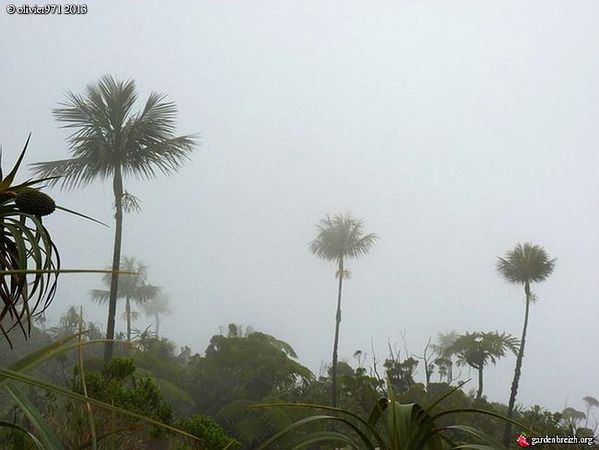
On an old lava flow of the volcano La fournaise, La Réunion Island. "Photo by Olivier Reilhes"

On an old lava flow of the volcano La fournaise, La Réunion Island. "Photo by Olivier Reilhes"

On an old lava flow of the volcano La fournaise, La Réunion Island. "Photo by Olivier Reilhes"

On an old lava flow of the volcano La fournaise, La Réunion Island. "Photo by Olivier Reilhes"

On an old lava flow of the volcano La fournaise, La Réunion Island. "Photo by Olivier Reilhes"

On an old lava flow of the volcano La fournaise, La Réunion Island. "Photo by Olivier Reilhes"

On an old lava flow of the volcano La fournaise, La Réunion Island. "Photo by Olivier Reilhes"

On an old lava flow of the volcano La fournaise, La Réunion Island. "Photo by Olivier Reilhes"

On an old lava flow of the volcano La fournaise, La Réunion Island. "Photo by Olivier Reilhes"

On an old lava flow of the volcano La fournaise, La Réunion Island. "Photo by Olivier Reilhes"

On an old lava flow of the volcano La fournaise, La Réunion Island. "Photo by Olivier Reilhes"

On an old lava flow of the volcano La fournaise, La Réunion Island. "Photo by Olivier Reilhes"

On an old lava flow of the volcano La fournaise, La Réunion Island. "Photo by Olivier Reilhes"

On an old lava flow of the volcano La fournaise, La Réunion Island. "Photo by Olivier Reilhes"

On an old lava flow of the volcano La fournaise, La Réunion Island. "Photo by Olivier Reilhes"
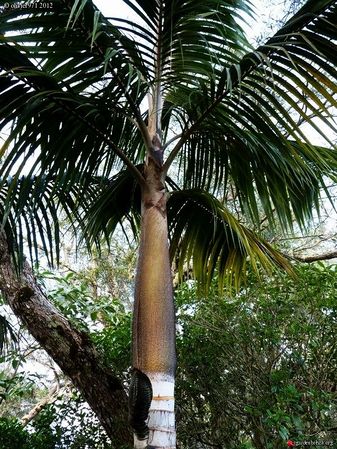
On an old lava flow of the volcano La fournaise, La Réunion Island. "Photo by Olivier Reilhes"

On an old lava flow of the volcano La fournaise, La Réunion Island. "Photo by Olivier Reilhes"

On an old lava flow of the volcano La fournaise, La Réunion Island. "Photo by Olivier Reilhes"

On an old lava flow of the volcano La fournaise, La Réunion Island. "Photo by Olivier Reilhes"

On an old lava flow of the volcano La fournaise, La Réunion Island. "Photo by Olivier Reilhes"

On an old lava flow of the volcano La fournaise, La Réunion Island. "Photo by Olivier Reilhes"

On an old lava flow of the volcano La fournaise, La Réunion Island. "Photo by Olivier Reilhes"

New Zealand. Photo by Rich.

Palmalito.com


Central plateau on Mauritius.

At Gary Le Vine's place. Photo by Geoff Stein

At Gary Le Vine's place. Photo by Geoff Stein

At Gary Le Vine's place. Photo by Geoff Stein

At Gary Le Vine's place. Photo by Geoff Stein

At Gary Le Vine's place. Photo by Geoff Stein

At Gary Le Vine's place. Photo by Geoff Stein

At Gary Le Vine's place. Photo by Geoff Stein

At Gary Le Vine's place. Photo by Geoff Stein

At Gary Le Vine's place. Photo by Geoff Stein

Florabunda Palms. Hilo. Photo by Paul Craft.

Florabunda Palms. Hilo. Photo by Paul Craft.

Florabunda Palms. Hilo. Photo by Paul Craft.

Florabunda Palms. Hilo. Photo by Paul Craft.
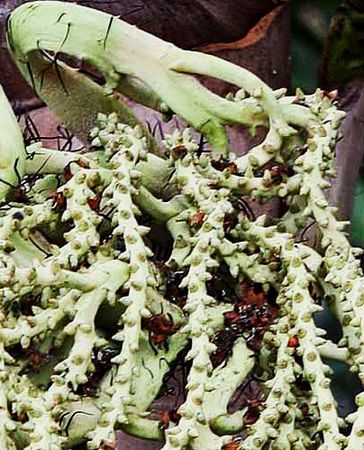
Florabunda Palms. Hilo. Photo by Paul Craft.

A. rubra on left, and on right A. crinita ; both are approx. 3 yrs old.

At Gary Le Vine's place. Photo by Geoff Stein

At Gary Le Vine's place. Photo by Geoff Stein

At Gary Le Vine's place. Photo by Geoff Stein

At Gary Le Vine's place. Photo by Geoff Stein

Oceanside, CA. First inflorescence. Photo by Bill Sanford

Oceanside, CA. First inflorescence. Photo by Bill Sanford


La fournaise, La Réunion Island. Photo by Denis Payet

La fournaise, La Réunion Island. Photo by Denis Payet
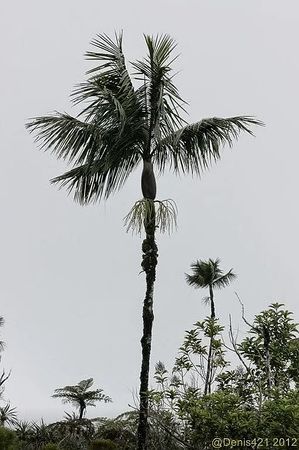
La fournaise, La Réunion Island. Photo by Denis Payet

La fournaise, La Réunion Island. Photo by Denis Payet

La fournaise, La Réunion Island. Photo by Denis Payet

La fournaise, La Réunion Island. photo by pilou
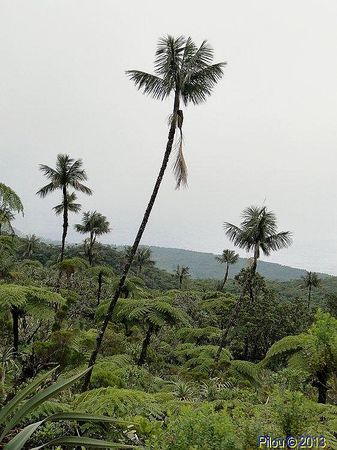
La fournaise, La Réunion Island. photo by pilou
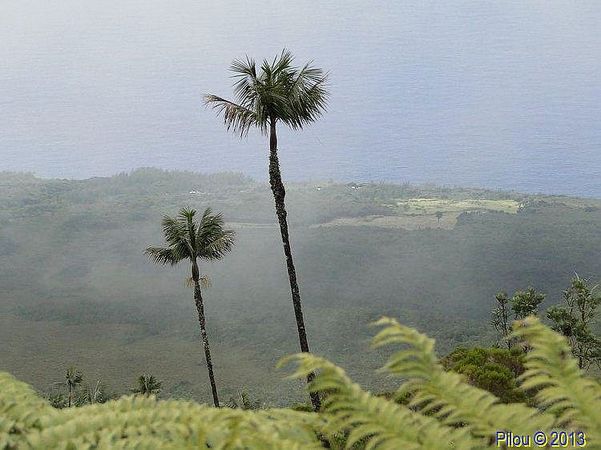
La fournaise, La Réunion Island. photo by pilou

La fournaise, La Réunion Island. photo by pilou

La fournaise, La Réunion Island. photo by pilou

La fournaise, La Réunion Island. photo by pilou
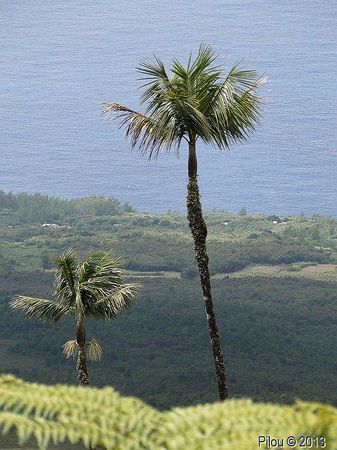
La fournaise, La Réunion Island. photo by pilou

La fournaise, La Réunion Island. photo by pilou

La fournaise, La Réunion Island. photo by pilou
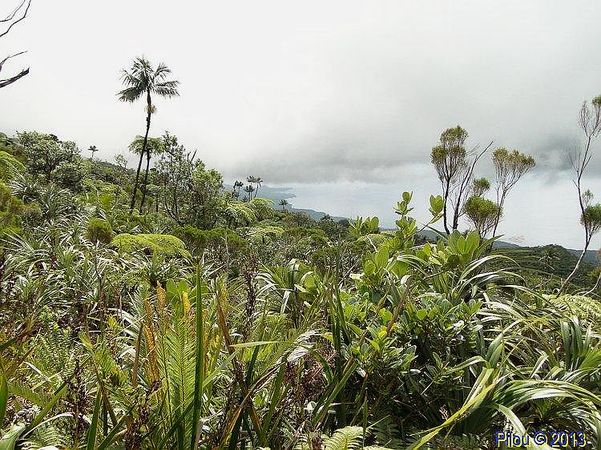
La fournaise, La Réunion Island. photo by pilou

La fournaise, La Réunion Island. photo by pilou

La fournaise, La Réunion Island. photo by pilou

La fournaise, La Réunion Island. photo by pilou

La fournaise, La Réunion Island. photo by pilou
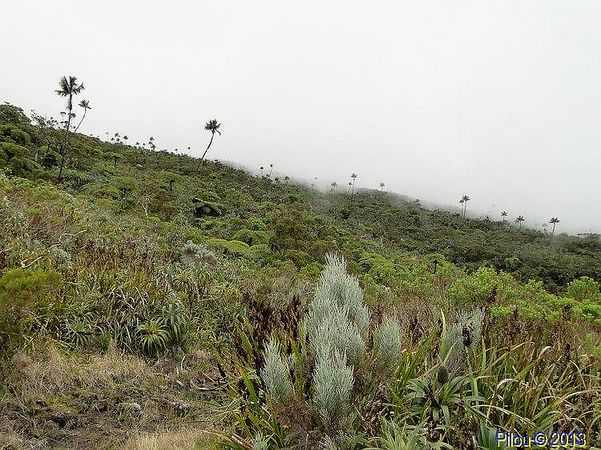
La fournaise, La Réunion Island. photo by pilou

La fournaise, La Réunion Island. photo by pilou

La fournaise, La Réunion Island. Photo by licuala

La fournaise, La Réunion Island. Photo by licuala

La fournaise, La Réunion Island. Photo by licuala

La fournaise, La Réunion Island. Photo by licuala


External Links
References
Phonetic spelling of Latin names by edric.
Special thanks to Geoff Stein, (Palmbob) for his hundreds of photos.
Special thanks to Palmweb.org, Dr. John Dransfield, Dr. Bill Baker & team, for their volumes of information and photos.
Glossary of Palm Terms; Based on the glossary in Dransfield, J., N.W. Uhl, C.B. Asmussen-Lange, W.J. Baker, M.M. Harley & C.E. Lewis. 2008. Genera Palmarum - Evolution and Classification of the Palms. Royal Botanic Gardens, Kew. All images copyright of the artists and photographers (see images for credits).
Many Special Thanks to Ed Vaile for his long hours of tireless editing and numerous contributions.