Difference between revisions of "Chrysalidocarpus baronii"
(re-classification) |
|||
| (40 intermediate revisions by 3 users not shown) | |||
| Line 1: | Line 1: | ||
| − | + | <big>__noeditsection__ | |
| − | __noeditsection__ | + | "Sugar Cane Palm"</big> |
| − | + | ||
| − | + | ||
{{Palmbox | {{Palmbox | ||
| − | |image= | + | |image=Black2.jpg |
| − | |image_caption= | + | |image_caption=var. 'Black stem', Madagascar. Photo by Justin. |
|genus=Dypsis (DIP-sis) | |genus=Dypsis (DIP-sis) | ||
| − | |species=<br>baronii (bah-ROHN-ee | + | |species=<br>baronii (bah-ROHN-ee) |
|subspecies= | |subspecies= | ||
|cultivar= | |cultivar= | ||
| Line 22: | Line 20: | ||
|common_names=Farihazo (Imerina, "sugarcane tree"); Tongalo (Betsimisaraka). Sugar Cane Palm. | |common_names=Farihazo (Imerina, "sugarcane tree"); Tongalo (Betsimisaraka). Sugar Cane Palm. | ||
}} | }} | ||
| − | |||
==Habitat and Distribution== | ==Habitat and Distribution== | ||
| − | + | ''Dypsis baronii'' is endemic to Madagascar. North, Central and E Madagascar. [[image:7cdba297-0c19-4f27-a945-13dd4bed547e.jpg|thumb|left|400px|Marojejy, Madagascar. Photo by Dr. John Dransfield, Royal Botanic Gardens, Kew/Palmweb.]]Moist montane forests, bamboo-dominated forests; usually on steep mid-slopes, less often on ridge crests; survives in half-shade or full sun; 850-1470 m. | |
==Description== | ==Description== | ||
| − | Clustering palm in clumps of 3-5, rarely appearing solitary. STEMS S 2-8 m. high, rarely with a single branching point, 2.5-12 [-22] cm in diam., near the crown 2.5-5.5 cm in diam.; internodes 4-35 cm., near the crown as short as 1.3 cm., grey, grey-green or blackish; nodal scars about 0.5 cm., faint, white; wood hard, with a dense layer of hard red fibres just underneath the bark; crownshaft to 10 cm in diam., pale green to pale yellow, waxy, the unexposed sheaths peach-coloured; occasionally with the remnants of sheaths remaining on the distal part of the trunk, but usually the leaves abscising neatly. LEAVES 4-8 in the crown, spiral or tristichous, arching, the young leaves sometimes held on edge in their distal half; crownshaft 28-60 cm. long, pale green to pale yellow, waxy, the unexposed sheaths peach-coloured, only distally densely scaly, with auricles to 2 cm. high; petiole 0-37 (-53) cm. long, proximally 1-2.3 x 1.2-2.5 cm., distally 0.8-1.3 x 0.8-1 cm in diam., with dense but flaking red to dark scales, therefore appearing crimson when young, later with scattered scales, slightly channelled; rachis 0.5-1.2 m. long, abaxially densely scaly but glabrescent, in mid-leaf 0.8-1.6 cm wide and keeled; leaflets 35-60 on each side of the rachis, regular, in one plane, dark green, stiff with the distal part pendulous, the proximal 19- 100 x 0.3-1.1 cm., median 25-49 [-77] x 0.9-2.7 cm., distal 7-36 x 0.3-1.8 cm., sometimes glabrous but more often with quite a few ramenta (2-5 mm. long) proximally, on the minor veins often with scattered reddish bumps, these being the remnants of the quite dense bases, of stellate-laciniate reddish scales on the minor veins in young leaves, main vein 1, plus rather thickened margins, apices bifid, unequally attenuate. INFLORESCENCE interfoliar or infrafoliar, branched to 2 orders, arching; peduncle 24-62 cm. long, proximally 0.8-2.2 x 0.5-0.8 cm., distally 1.8-3.5 x 0.9-2 cm in diam., glabrous, proximally red, distally green; prophyll 25-73 x 2.2-4 [-5.5] cm., borne at 2.5-22 (-45) cm. above the base of the peduncle, erect, often hooded, dark crimson to pale brown, distally with scattered scales; peduncular bract inserted at 22-54 from the base of the peduncle, deciduous, 20-44 (-65) cm. long, erect and hooded, deep crimson or brown, carried upwards by the lengthening inflorescence; non-tubular peduncular bracts usually 2, 1-6 (-17.5) x 0.6-1.4 cm.; rachis 13-33 cm. long, glabrous, with 5-21 branched and 7-10 unbranched first order branches, the proximal with a secondary rachis of up to 4.5 [-11.5] cm. long and 4-13 x 2-6 mm. in diam. and with 4-9 [-15] rachillae, rachis bracts 4-20 mm. long; rachillae 3-24) cm. long, [1.5-] 2.5-4.5 mm in diam., glabrous, pinkish to pale green, with distant or dense slightly sunken triads; rachilla bracts 1-1.5 mm., acute. STAMINATE FLOWERS faintly scented; sepals cream with brown tips and 1.9-3 x 2-3.1 mm.; petals proximally white, distally red, connate for 0.5-1.8 mm., free parts 2.5-4 x [1.8-] 2.5-3.5 mm., often with swellings proximally on each side of the filament insertion; stamens 6, biseriate (offset 0.2-0.4 mm.), filaments white, (0.8 in bud -) 2.4-4.5 mm. long, 0.4-1.3 mm. wide, with the antepetalous ones flatter than the cylindrical antesepalous ones, anthers 1.1-2 x 0.5-1.4 mm.; pistillode 1.4-3.3 x 0.6-1.5 mm. PISTILLATE FLOWERS with sepals 2.2-2.8 x [1.7-2.4] 2.5-3 mm, slightly apiculate; petals 2.8-3.5 x [2.3-2.6] 2.8-4.2 mm; staminodes 6, 0.4-1 mm; ovary 2.8-3.3 x 2.8 mm. FRUIT yellow, ellipsoid or subglobose, 10-20 x 8-16 mm.; endocarp fibrous. SEED ellipsoid or slightly obovoid, 9.5-12 x 7.5-11 mm., pointed at the base, rounded at the apex, with a sub-basal depression, the outside slightly grooved; endosperm ruminate, the intrusions corresponding to the grooves, 1-1.5 [-3] mm. deep and medium dense. (J. Dransfield and H. Beentje. 1995)/Palmweb. Editing by edric. | + | Clustering palm in clumps of 3-5, rarely appearing solitary. STEMS S 2-8 m. high, rarely with a single branching point, 2.5-12 [-22] cm in diam., near the crown 2.5-5.5 cm in diam.; internodes 4-35 cm., near the crown as short as 1.3 cm., grey, grey-green or blackish; nodal scars about 0.5 cm., faint, white; wood hard, with a dense layer of hard red fibres just underneath the bark; crownshaft to 10 cm in diam., pale green to pale yellow, waxy, the unexposed sheaths peach-coloured; occasionally with the remnants of sheaths remaining on the distal part of the trunk, but usually the leaves abscising neatly. LEAVES 4-8 in the crown, spiral or tristichous, arching, the young leaves sometimes held on edge in their distal half; crownshaft 28-60 cm. long, pale green to pale yellow, waxy, the unexposed sheaths peach-coloured, only distally densely scaly, with auricles to 2 cm. high; petiole 0-37 (-53) cm. long, proximally 1-2.3 x 1.2-2.5 cm., distally 0.8-1.3 x 0.8-1 cm in diam., with dense but flaking red to dark scales, therefore appearing crimson when young, later with scattered scales, slightly channelled; rachis 0.5-1.2 m. long, abaxially densely scaly but glabrescent, in mid-leaf 0.8-1.6 cm wide and keeled; leaflets 35-60 on each side of the rachis, regular, in one plane, dark green, stiff with the distal part pendulous, the proximal 19- 100 x 0.3-1.1 cm., median 25-49 [-77] x 0.9-2.7 cm., distal 7-36 x 0.3-1.8 cm., sometimes glabrous but more often with quite a few ramenta (2-5 mm. long) proximally, on the minor veins often with scattered reddish bumps, these being the remnants of the quite dense bases, of stellate-laciniate reddish scales on the minor veins in young leaves, main vein 1, plus rather thickened margins, apices bifid, unequally attenuate. INFLORESCENCE interfoliar or infrafoliar, branched to 2 orders, arching; peduncle 24-62 cm. long, proximally 0.8-2.2 x 0.5-0.8 cm., distally 1.8-3.5 x 0.9-2 cm in diam., glabrous, proximally red, distally green; prophyll 25-73 x 2.2-4 [-5.5] cm., borne at 2.5-22 (-45) cm. above the base of the peduncle, erect, often hooded, dark crimson to pale brown, distally with scattered scales; peduncular bract inserted at 22-54 from the base of the peduncle, deciduous, 20-44 (-65) cm. long, erect and hooded, deep crimson or brown, carried upwards by the lengthening inflorescence; non-tubular peduncular bracts usually 2, 1-6 (-17.5) x 0.6-1.4 cm.; rachis 13-33 cm. long, glabrous, with 5-21 branched and 7-10 unbranched first order branches, the proximal with a secondary rachis of up to 4.5 [-11.5] cm. long and 4-13 x 2-6 mm. in diam. and with 4-9 [-15] rachillae, rachis bracts 4-20 mm. long; rachillae 3-24) cm. long, [1.5-] 2.5-4.5 mm in diam., glabrous, pinkish to pale green, with distant or dense slightly sunken triads; rachilla bracts 1-1.5 mm., acute. {{read more top}}STAMINATE FLOWERS faintly scented; sepals cream with brown tips and 1.9-3 x 2-3.1 mm.; petals proximally white, distally red, connate for 0.5-1.8 mm., free parts 2.5-4 x [1.8-] 2.5-3.5 mm., often with swellings proximally on each side of the filament insertion; stamens 6, biseriate (offset 0.2-0.4 mm.), filaments white, (0.8 in bud -) 2.4-4.5 mm. long, 0.4-1.3 mm. wide, with the antepetalous ones flatter than the cylindrical antesepalous ones, anthers 1.1-2 x 0.5-1.4 mm.; pistillode 1.4-3.3 x 0.6-1.5 mm. PISTILLATE FLOWERS with sepals 2.2-2.8 x [1.7-2.4] 2.5-3 mm, slightly apiculate; petals 2.8-3.5 x [2.3-2.6] 2.8-4.2 mm; staminodes 6, 0.4-1 mm; ovary 2.8-3.3 x 2.8 mm. FRUIT yellow, ellipsoid or subglobose, 10-20 x 8-16 mm.; endocarp fibrous. SEED ellipsoid or slightly obovoid, 9.5-12 x 7.5-11 mm., pointed at the base, rounded at the apex, with a sub-basal depression, the outside slightly grooved; endosperm ruminate, the intrusions corresponding to the grooves, 1-1.5 [-3] mm. deep and medium dense. (J. Dransfield and H. Beentje. 1995)/Palmweb. Editing by edric. |
Chrysalidocarpus propinquus is said by Jumelle, to be a form on denuded rocks with a short petiole and short, narrow leaflets, a very short peduncle and the thicker trunk is the only real character. With a bit more we would have kept them apart, but they look so similar that N. compactus has to be included in synonymy; the extremes for N. compactus are indicated by [square brackets] in the description. HB found many small red ants in a ripe infrutescence (Beentje & Raharilala 4412). In Mantady and at Maromiza HB has seen two stems which had a single branch at c. 1 m above the base. This species is extraordinarily close to D. onilahensis, and only differs in the habitat and the ruminate endosperm; the ruminations in D. baronii are difficult to see at times, being very small, and D. baronii has been found in sites which are really in D. onilahensis territory, such as the forest of Ambohitsaratelo. In the absence of fruit, several collections could not be identified as belonging to one or the other [Miandrivazo: NW of Ambohitsaratelo-Bebao, July 1974 (fl), Morat 4590 (P, TAN); idem, Nov. 1986 (fl., y.fr.), Dransfield et al. JD6447 (K, P, TAN)] but since Dorr et al. 3532 from the same locality has ruminate endosperm, they are more likely D. baronii. (J. Dransfield and H. Beentje. 1995)/Palmweb. | Chrysalidocarpus propinquus is said by Jumelle, to be a form on denuded rocks with a short petiole and short, narrow leaflets, a very short peduncle and the thicker trunk is the only real character. With a bit more we would have kept them apart, but they look so similar that N. compactus has to be included in synonymy; the extremes for N. compactus are indicated by [square brackets] in the description. HB found many small red ants in a ripe infrutescence (Beentje & Raharilala 4412). In Mantady and at Maromiza HB has seen two stems which had a single branch at c. 1 m above the base. This species is extraordinarily close to D. onilahensis, and only differs in the habitat and the ruminate endosperm; the ruminations in D. baronii are difficult to see at times, being very small, and D. baronii has been found in sites which are really in D. onilahensis territory, such as the forest of Ambohitsaratelo. In the absence of fruit, several collections could not be identified as belonging to one or the other [Miandrivazo: NW of Ambohitsaratelo-Bebao, July 1974 (fl), Morat 4590 (P, TAN); idem, Nov. 1986 (fl., y.fr.), Dransfield et al. JD6447 (K, P, TAN)] but since Dorr et al. 3532 from the same locality has ruminate endosperm, they are more likely D. baronii. (J. Dransfield and H. Beentje. 1995)/Palmweb. | ||
| + | {{read more bottom}} | ||
==Culture== | ==Culture== | ||
| − | One of the most cold tolerant of the Madagascan palms. Deserves to be much more widely grown than it is, in view of its attractiveness, and cold tolerance. | + | One of the most cold tolerant of the Madagascan palms. Deserves to be much more widely grown than it is, in view of its attractiveness, and cold tolerance. Cold Hardiness Zone: 9b (established specimens) |
| + | |||
Can be a bit difficult, but usually prefers a lightly shaded, moist, but well drained position. As mentioned above, quite untroubled by even several degrees of frost. | Can be a bit difficult, but usually prefers a lightly shaded, moist, but well drained position. As mentioned above, quite untroubled by even several degrees of frost. | ||
| + | <center> | ||
| + | [[{{PFC}}http://www.palmpedia.net/palmsforcal/index.php5/Dypsis_baronii]] | ||
| + | </center> | ||
==Comments and Curiosities== | ==Comments and Curiosities== | ||
A common species of the rain forest of the eastern escarpments. It closely resembles D. lutescens, but that is strictly a littoral species, confined to a narrow strip of vegetation close to the sea; and D. onilahensis, from drier localities on the Western side of the island. D. baronii is a graceful palm, and is often seen in the gardens of central Madagascar, particularly in Antananarivo. This is such a fine ornamental that it should be much more widely grown outside Madagascar than it is at present, particularly in view of its occurrence in upland areas. The species was named after the Reverend Richard Baron (1847-1907) who collected the type and many other plants in 1880-1897. (J. Dransfield and H. Beentje. 1995)/Palmweb. | A common species of the rain forest of the eastern escarpments. It closely resembles D. lutescens, but that is strictly a littoral species, confined to a narrow strip of vegetation close to the sea; and D. onilahensis, from drier localities on the Western side of the island. D. baronii is a graceful palm, and is often seen in the gardens of central Madagascar, particularly in Antananarivo. This is such a fine ornamental that it should be much more widely grown outside Madagascar than it is at present, particularly in view of its occurrence in upland areas. The species was named after the Reverend Richard Baron (1847-1907) who collected the type and many other plants in 1880-1897. (J. Dransfield and H. Beentje. 1995)/Palmweb. | ||
Uses: Excellent palm-heart; fruit edible and sweet. Very elegant palm, cultivated in Antananarivo and on the plateau as an ornamental. | Uses: Excellent palm-heart; fruit edible and sweet. Very elegant palm, cultivated in Antananarivo and on the plateau as an ornamental. | ||
| − | |||
| − | |||
| − | |||
| − | |||
| − | |||
| − | |||
| − | |||
| − | |||
| − | + | <br clear="all"> | |
| − | + | {{#Widget:AdResban}} | |
| − | + | <center><gallery caption="IMAGE GALLERY" perrow="" widths="" heights=""> | |
| − | + | image:Fd83b2b7-06b8-4603-9965-d3f43e2fc339.jpg|Mantadia, Madagascar. Photo by Dr. Henk Beentje, Royal Botanic Gardens, Kew/Palmweb. | |
| − | + | image:71b70562-0a2d-487d-bec0-69f8076068c1.jpg|Madagascar. Photo by Dr. John Dransfield, Royal Botanic Gardens, Kew/Palmweb. | |
| − | + | image:7cdba297-0c19-4f27-a945-13dd4bed547e.jpg|Marojejy, Madagascar. Photo by Dr. John Dransfield, Royal Botanic Gardens, Kew/Palmweb. | |
| − | + | image:Cbe7f9d7-7b94-49a6-92db-87f3951d7ad1.jpg|Ambohitsaratelo, Tsiroanomandid, Madagascar. Photo by Dr. John Dransfield, Royal Botanic Gardens, Kew/Palmweb. | |
| − | + | image:Post_Madagascar_2005_172.JPG|Dypsis baronii var. Compactus. Marojejy Park, Madagascar. Photo by Jeff Searle, Searle Brothers Nursery, FL. | |
| − | <center><gallery caption="IMAGE GALLERY" perrow=" | + | image:Post_Madagascar_2005_166.JPG|Dypsis baronii var. Compactus. Marojejy Park, Madagascar. Photo by Jeff Searle, Searle Brothers Nursery, FL. |
| − | image:Fd83b2b7-06b8-4603-9965- | + | image:Post_Madagascar_2005_153.JPG|Dypsis baronii var. Compactus. Marojejy Park, Madagascar. Photo by Jeff Searle, Searle Brothers Nursery, Fl. |
| − | image:71b70562-0a2d-487d-bec0- | + | image:Post_Madagascar_2005_157.JPG|Dypsis baronii var. Compactus. Marojejy Park, Madagascar. Photo by Jeff Searle, Searle Brothers Nursery, FL. |
| − | image:7cdba297-0c19-4f27-a945- | + | |
| − | image:Cbe7f9d7-7b94-49a6-92db- | + | |
| − | image:Post_Madagascar_2005_172.JPG|Dypsis baronii var. Compactus. Marojejy Park, Madagascar. Photo by Jeff Searle, Searle Brothers Nursery, FL | + | |
| − | image:Post_Madagascar_2005_166.JPG|Dypsis baronii var. Compactus. Marojejy Park, Madagascar. Photo by Jeff Searle, Searle Brothers Nursery, FL | + | |
| − | image:Post_Madagascar_2005_153.JPG|Dypsis baronii var. Compactus. Marojejy Park, Madagascar. Photo by Jeff Searle, Searle Brothers Nursery, | + | |
| − | image:Post_Madagascar_2005_157.JPG|Dypsis baronii var. Compactus. Marojejy Park, Madagascar. Photo by Jeff Searle, Searle Brothers Nursery, FL | + | |
Image:Dypsis baronii large bore.jpg|Fallbrook, California. | Image:Dypsis baronii large bore.jpg|Fallbrook, California. | ||
Image:Dypsis baronii.jpg|Hawaii. | Image:Dypsis baronii.jpg|Hawaii. | ||
| Line 67: | Line 55: | ||
Image:Dypsis baroniii beefy flower spike.jpg|Flower Spike, California. | Image:Dypsis baroniii beefy flower spike.jpg|Flower Spike, California. | ||
image:Dypsis_baroniiNZ.jpg|Auckland Botanic Gardens, Manukau City, New Zealand. | image:Dypsis_baroniiNZ.jpg|Auckland Botanic Gardens, Manukau City, New Zealand. | ||
| − | image: | + | image:Baronii.jpg|South-east Queensland. Photo by Michael Gray. |
| − | image: | + | image:Baronii01.jpg|South-east Queensland. Photo by Michael Gray. |
| − | image:44628481. | + | image:44628481.Db.jpg |
| − | image:Dypsis- | + | image:Dypsis-baronii0.jpg |
image:DypBarz.jpg|In habitat. Photo-Rare Palm Seeds.com | image:DypBarz.jpg|In habitat. Photo-Rare Palm Seeds.com | ||
| − | image:Black1.jpg|var. 'Black stem', Madagascar. Photo by Justin | + | image:Black1.jpg|var. 'Black stem', Madagascar. Photo by Justin. |
| − | image:Black2.jpg|var. 'Black stem', Madagascar. Photo by Justin | + | image:Black2.jpg|var. 'Black stem', Madagascar. Photo by Justin. |
| − | image: | + | image:Black3.jpg|var. 'Black stem', Madagascar. Photo by Justin. |
| − | image:Black4.jpg|var. 'Black stem', Madagascar. Photo by Justin | + | image:Black4.jpg|var. 'Black stem', Madagascar. Photo by Justin. |
| − | image: | + | image:Black5.jpg|var. 'Black stem', Madagascar. Photo by Justin. |
| − | image: | + | image:DypBla.jpg|var. 'Black stem' In habitat. Photo-Rare Palm Seeds.com |
| − | image: | + | image:DypBla2.jpg|var. 'Black stem' In habitat. Photo-Rare Palm Seeds.com |
image:4868037751_ae0c9c185az.jpg | image:4868037751_ae0c9c185az.jpg | ||
| − | image: | + | image:C055f0.jpg|Rare solitary form, Ventura County, CA. |
| − | image: | + | image:1b4693.jpg |
image:2f7df4socal.jpg | image:2f7df4socal.jpg | ||
image:4f9e37fallbrooksolitary.jpg|Rare solitary form, Fallbrook CA. | image:4f9e37fallbrooksolitary.jpg|Rare solitary form, Fallbrook CA. | ||
| − | image: | + | image:7c70e9ha.jpg |
image:9def39socal.jpg|SoCal. | image:9def39socal.jpg|SoCal. | ||
image:9fe771.jpg | image:9fe771.jpg | ||
image:11c72fraresoldiffangle.jpg|Rare solitary form, Ventura County, CA. | image:11c72fraresoldiffangle.jpg|Rare solitary form, Ventura County, CA. | ||
image:12ece9miniform.jpg|Miniture form. | image:12ece9miniform.jpg|Miniture form. | ||
| − | image:54ef7d.jpg | + | image:54ef7d.jpg|Photo by Geoff Stein. |
| − | image: | + | image:72e268ha.jpg|Photo by Geoff Stein. |
| − | image:639c83socal.jpg|SoCal. | + | image:639c83socal.jpg|SoCal. Photo by Geoff Stein. |
| − | image: | + | image:6760b9hawaii.jpg|Hawaii. Photo by Geoff Stein. |
| − | image:429458socal.jpg|SoCal. | + | image:429458socal.jpg|SoCal. Photo by Geoff Stein. |
| − | image:489360hawaii.jpg|Hawaii. | + | image:489360hawaii.jpg|Hawaii. Photo by Geoff Stein. |
| − | image: | + | image:A22f8a.jpg|Photo by Geoff Stein. |
| − | image:Be988dhilohawaii.jpg|Hilo, Hawaii. | + | image:Be988dhilohawaii.jpg|Hilo, Hawaii. Photo by Geoff Stein. |
| − | image: | + | image:Cf970fleugardens.jpg|H.P. Leu Gardens, Orlando FL. Photo by Leu Gardens botanist Eric S. |
| − | image:D4b454socal.jpg|SoCal. | + | image:D4b454socal.jpg|SoCal. Photo by Geoff Stein. |
| − | image:D5794csocal.jpg|SoCal. | + | image:D5794csocal.jpg|SoCal. Photo by Geoff Stein. |
| − | image:Eb31d3.jpg | + | image:Eb31d3.jpg|Photo by Geoff Stein. |
| − | image:F7f7b8z.jpg | + | image:F7f7b8z.jpg|Photo by Geoff Stein. |
| − | image:P1040330daryl.jpg|Kiama, about 2 hours drive south of Sydney, | + | image:P1040330daryl.jpg|Kiama, about 2 hours drive south of Sydney, 800 m. from the sea, south coast NSW. Photo by Daryl O'Connor. |
| − | image: | + | image:DSC03521phcolin.jpg|Kiama, about 2 hours drive south of Sydney, 800 m. from the sea, south coast NSW. Photo by Colin. |
| − | image: | + | image:DSC03522phcolin.jpg|Kiama, about 2 hours drive south of Sydney, 800 m. from the sea, south coast NSW. Photo by Colin. |
| − | image:Db4VinceBury.jpg|SoCal. Photo by Vince Bury | + | image:Db4VinceBury.jpg|SoCal. Photo by Vince Bury. |
| − | image:DbDSC_5401.jpg|Gold Coast Hinterland, Queensland. Photo by Daryl O'Connor | + | image:DbDSC_5401.jpg|Gold Coast Hinterland, Queensland. Photo by Daryl O'Connor. |
| − | image:100_4633.jpg|Hawaii. Photo by Bill Austin, | + | image:100_4633.jpg|Hawaii. var. 'Black stem' Photo by Bill Austin. |
| − | image:DbIMG_5068.jpg|"Darold has great drainage with his deep sandy soil and is situated in the Sunset area of San Francisco where foggy and overcast conditions persist for weeks in Summer with temperatures in nmidsummer sometimes not exceeding 60 F ( 16 c )." (Troy Donovan). Darold Petty Garden. Photo by Troy Donovan | + | File:post-7381-0-49565100-1433669620.jpg|Hawaii. Bill Austin's place. var. 'Black stem' Photo by Paul Latzias. |
| − | image:DbIMG_5208.jpg|"Darold has great drainage with his deep sandy soil and is situated in the Sunset area of San Francisco where foggy and overcast conditions persist for weeks in Summer with temperatures in nmidsummer sometimes not exceeding 60 F ( 16 c )." (Troy Donovan). D. baronii var. 'Black Stem'. Darold Petty Garden. Photo by Troy Donovan, | + | File:post-7381-0-19695400-1433669636.jpg|Hawaii. Bill Austin's place. var. 'Black stem' Photo by Paul Latzias. |
| − | + | File:post-7381-0-20740500-1433672006.jpg|Hawaii. Bill Austin's place. var. 'Black stem' Photo by Paul Latzias. | |
| + | File:post-7381-0-94044200-1419933246.jpg|Sunshine coast, Queensland, Australia. Leo Gamble's place. Photo by Paul Latzias. | ||
| + | File:post-7381-0-21080700-1419933267.jpg|Sunshine coast, Queensland, Australia. Leo Gamble's place. Photo by Paul Latzias. | ||
| + | File:post-7381-0-63637900-1419936862.jpg|Sunshine coast, Queensland, Australia. Leo Gamble's place. Photo by Paul Latzias. | ||
| + | File:post-7381-0-72372700-1430125299.jpg|At Daryl O'Connors, Gold Coast Hinterland, Queensland Australia. "Labelled baronii but a strange awesome form of it." Photo by Paul Latzias. | ||
| + | File:post-7381-0-35260500-1430125318.jpg|At Daryl O'Connors, Gold Coast Hinterland, Queensland Australia. "Labelled baronii but a strange awesome form of it." Photo by Paul Latzias. | ||
| + | File:post-7381-0-92484300-1436651801.jpg|Roma Street Parklands, Brisbane, Australia. Photo by Paul Latzias. | ||
| + | |||
| + | File:208-D.baronii black stem Réserve de Maromizaha.JPG|Maromizaha réserve, Madagascar. Photo by Jean Pierre Riviere. | ||
| + | File:209-D.baronii black stem Réserve de Maromizaha.JPG|Maromizaha réserve, Madagascar. Photo by Jean Pierre Riviere. | ||
| + | File:219-D.baronii black stem Réserve de Maromizaha.JPG|Maromizaha réserve, Madagascar. Photo by Jean Pierre Riviere. | ||
| + | |||
| + | File:RAKOTOVAO_2124_ALR_b_s.jpg|Madagascar. Photo by Dr. Mijoro Rakotoarinivo, Royal Botanic Gardens, Kew. | ||
| + | File:RAKOTOVAO_2649_CR_d_s.jpg|Madagascar. Photo by Dr. Mijoro Rakotoarinivo, Royal Botanic Gardens, Kew. | ||
| + | File:RAKOTOVAO_2649_CR_b_s.jpg|Madagascar. Photo by Dr. Mijoro Rakotoarinivo, Royal Botanic Gardens, Kew. | ||
| + | File:RAKOTOVAO_2649_CR_c_s.jpg|Madagascar. Dr. Mijoro Rakotoarinivo giving scale. Photo by Dr. Mijoro Rakotoarinivo, Royal Botanic Gardens, Kew. | ||
| + | File:RAKOTOVAO_2649_CR_a_s.jpg|Madagascar. Photo by Dr. Mijoro Rakotoarinivo, Royal Botanic Gardens, Kew. | ||
| + | File:18977172046_b8f249b486_c.jpg|Huntington Botanical Gardens, CA. Photo by Kyle Wicomb. | ||
| + | |||
| + | image:DbIMG_5068.jpg|"Darold has great drainage with his deep sandy soil and is situated in the Sunset area of San Francisco where foggy and overcast conditions persist for weeks in Summer with temperatures in nmidsummer sometimes not exceeding 60 F ( 16 c )." (Troy Donovan). Darold Petty Garden. Photo by Troy Donovan | ||
| + | image:DbIMG_5208.jpg|"Darold has great drainage with his deep sandy soil and is situated in the Sunset area of San Francisco where foggy and overcast conditions persist for weeks in Summer with temperatures in nmidsummer sometimes not exceeding 60 F ( 16 c )." (Troy Donovan). D. baronii var. 'Black Stem'. Darold Petty Garden. Photo by Troy Donovan | ||
| + | File:dbIMG_7376.jpg|Old Beach, Tasmania. Garden of Troy Donovan. Photo by Troy Donovan. | ||
| + | |||
| + | |||
</gallery></center> | </gallery></center> | ||
| + | ==External Links== | ||
| + | *[http://eunops.org/content/glossary-palm-terms Glossary of Palm Terms] | ||
| + | *[http://www.calflora.net/botanicalnames/pronunciation.html MODERN BOTANICAL LATIN] | ||
| + | *[http://www.jlhudsonseeds.net/Pronunciation.htm "Just To Be Clear"] | ||
| + | *http://www.youtube.com/watch?v=pFtZijqm1Sc | ||
| + | *http://www.cites.org/common/com/pc/20/inf%20docs/F20-11i-A6.pdf | ||
| + | ==References== | ||
| + | Phonetic spelling of Latin names by edric. | ||
| + | Edit by João Santos Costa | ||
| + | |||
| + | Special thanks to Geoff Stein, (Palmbob) for his hundreds of photos. | ||
| + | |||
| + | Special thanks to [http://palmweb.org/?q=node/2 Palmweb.org], Dr. John Dransfield, Dr. Bill Baker & team, for their volumes of information and photos. | ||
| + | |||
| + | Glossary of Palm Terms; Based on the glossary in Dransfield, J., N.W. Uhl, C.B. Asmussen-Lange, W.J. Baker, M.M. Harley & C.E. Lewis. 2008. Genera Palmarum - Evolution and Classification of the Palms. Royal Botanic Gardens, Kew. All images copyright of the artists and photographers (see images for credits). | ||
| + | |||
| + | Dransfield, J. & Beentje, H. 1995. Palms of Madagascar. Royal Botanic Gardens, Kew and The International Palm Society. | ||
{{SpeciesListBackLink}} | {{SpeciesListBackLink}} | ||
[[Category:Palms of Madagascar]] | [[Category:Palms of Madagascar]] | ||
| − | [[Category: | + | [[Category:CHRYSALIDOCARPUS|baronii]] |
Latest revision as of 10:20, 13 February 2023
"Sugar Cane Palm"
| Dypsis (DIP-sis) baronii (bah-ROHN-ee) | |||||||
|---|---|---|---|---|---|---|---|
 var. 'Black stem', Madagascar. Photo by Justin. | |||||||
| Scientific Classification | |||||||
| |||||||
| Synonyms | |||||||
|
| |||||||
| Native Continent | |||||||
 | |||||||
| Morphology | |||||||
| |||||||
| Culture | |||||||
|
| |||||||
| Survivability index | |||||||
|
| |||||||
| Common names | |||||||
|
| |||||||
Contents
Habitat and Distribution
Dypsis baronii is endemic to Madagascar. North, Central and E Madagascar.
Description
Clustering palm in clumps of 3-5, rarely appearing solitary. STEMS S 2-8 m. high, rarely with a single branching point, 2.5-12 [-22] cm in diam., near the crown 2.5-5.5 cm in diam.; internodes 4-35 cm., near the crown as short as 1.3 cm., grey, grey-green or blackish; nodal scars about 0.5 cm., faint, white; wood hard, with a dense layer of hard red fibres just underneath the bark; crownshaft to 10 cm in diam., pale green to pale yellow, waxy, the unexposed sheaths peach-coloured; occasionally with the remnants of sheaths remaining on the distal part of the trunk, but usually the leaves abscising neatly. LEAVES 4-8 in the crown, spiral or tristichous, arching, the young leaves sometimes held on edge in their distal half; crownshaft 28-60 cm. long, pale green to pale yellow, waxy, the unexposed sheaths peach-coloured, only distally densely scaly, with auricles to 2 cm. high; petiole 0-37 (-53) cm. long, proximally 1-2.3 x 1.2-2.5 cm., distally 0.8-1.3 x 0.8-1 cm in diam., with dense but flaking red to dark scales, therefore appearing crimson when young, later with scattered scales, slightly channelled; rachis 0.5-1.2 m. long, abaxially densely scaly but glabrescent, in mid-leaf 0.8-1.6 cm wide and keeled; leaflets 35-60 on each side of the rachis, regular, in one plane, dark green, stiff with the distal part pendulous, the proximal 19- 100 x 0.3-1.1 cm., median 25-49 [-77] x 0.9-2.7 cm., distal 7-36 x 0.3-1.8 cm., sometimes glabrous but more often with quite a few ramenta (2-5 mm. long) proximally, on the minor veins often with scattered reddish bumps, these being the remnants of the quite dense bases, of stellate-laciniate reddish scales on the minor veins in young leaves, main vein 1, plus rather thickened margins, apices bifid, unequally attenuate. INFLORESCENCE interfoliar or infrafoliar, branched to 2 orders, arching; peduncle 24-62 cm. long, proximally 0.8-2.2 x 0.5-0.8 cm., distally 1.8-3.5 x 0.9-2 cm in diam., glabrous, proximally red, distally green; prophyll 25-73 x 2.2-4 [-5.5] cm., borne at 2.5-22 (-45) cm. above the base of the peduncle, erect, often hooded, dark crimson to pale brown, distally with scattered scales; peduncular bract inserted at 22-54 from the base of the peduncle, deciduous, 20-44 (-65) cm. long, erect and hooded, deep crimson or brown, carried upwards by the lengthening inflorescence; non-tubular peduncular bracts usually 2, 1-6 (-17.5) x 0.6-1.4 cm.; rachis 13-33 cm. long, glabrous, with 5-21 branched and 7-10 unbranched first order branches, the proximal with a secondary rachis of up to 4.5 [-11.5] cm. long and 4-13 x 2-6 mm. in diam. and with 4-9 [-15] rachillae, rachis bracts 4-20 mm. long; rachillae 3-24) cm. long, [1.5-] 2.5-4.5 mm in diam., glabrous, pinkish to pale green, with distant or dense slightly sunken triads; rachilla bracts 1-1.5 mm., acute.| read more |
|---|
| STAMINATE FLOWERS faintly scented; sepals cream with brown tips and 1.9-3 x 2-3.1 mm.; petals proximally white, distally red, connate for 0.5-1.8 mm., free parts 2.5-4 x [1.8-] 2.5-3.5 mm., often with swellings proximally on each side of the filament insertion; stamens 6, biseriate (offset 0.2-0.4 mm.), filaments white, (0.8 in bud -) 2.4-4.5 mm. long, 0.4-1.3 mm. wide, with the antepetalous ones flatter than the cylindrical antesepalous ones, anthers 1.1-2 x 0.5-1.4 mm.; pistillode 1.4-3.3 x 0.6-1.5 mm. PISTILLATE FLOWERS with sepals 2.2-2.8 x [1.7-2.4] 2.5-3 mm, slightly apiculate; petals 2.8-3.5 x [2.3-2.6] 2.8-4.2 mm; staminodes 6, 0.4-1 mm; ovary 2.8-3.3 x 2.8 mm. FRUIT yellow, ellipsoid or subglobose, 10-20 x 8-16 mm.; endocarp fibrous. SEED ellipsoid or slightly obovoid, 9.5-12 x 7.5-11 mm., pointed at the base, rounded at the apex, with a sub-basal depression, the outside slightly grooved; endosperm ruminate, the intrusions corresponding to the grooves, 1-1.5 [-3] mm. deep and medium dense. (J. Dransfield and H. Beentje. 1995)/Palmweb. Editing by edric.
Chrysalidocarpus propinquus is said by Jumelle, to be a form on denuded rocks with a short petiole and short, narrow leaflets, a very short peduncle and the thicker trunk is the only real character. With a bit more we would have kept them apart, but they look so similar that N. compactus has to be included in synonymy; the extremes for N. compactus are indicated by [square brackets] in the description. HB found many small red ants in a ripe infrutescence (Beentje & Raharilala 4412). In Mantady and at Maromiza HB has seen two stems which had a single branch at c. 1 m above the base. This species is extraordinarily close to D. onilahensis, and only differs in the habitat and the ruminate endosperm; the ruminations in D. baronii are difficult to see at times, being very small, and D. baronii has been found in sites which are really in D. onilahensis territory, such as the forest of Ambohitsaratelo. In the absence of fruit, several collections could not be identified as belonging to one or the other [Miandrivazo: NW of Ambohitsaratelo-Bebao, July 1974 (fl), Morat 4590 (P, TAN); idem, Nov. 1986 (fl., y.fr.), Dransfield et al. JD6447 (K, P, TAN)] but since Dorr et al. 3532 from the same locality has ruminate endosperm, they are more likely D. baronii. (J. Dransfield and H. Beentje. 1995)/Palmweb. |
Culture
One of the most cold tolerant of the Madagascan palms. Deserves to be much more widely grown than it is, in view of its attractiveness, and cold tolerance. Cold Hardiness Zone: 9b (established specimens)
Can be a bit difficult, but usually prefers a lightly shaded, moist, but well drained position. As mentioned above, quite untroubled by even several degrees of frost.

Comments and Curiosities
A common species of the rain forest of the eastern escarpments. It closely resembles D. lutescens, but that is strictly a littoral species, confined to a narrow strip of vegetation close to the sea; and D. onilahensis, from drier localities on the Western side of the island. D. baronii is a graceful palm, and is often seen in the gardens of central Madagascar, particularly in Antananarivo. This is such a fine ornamental that it should be much more widely grown outside Madagascar than it is at present, particularly in view of its occurrence in upland areas. The species was named after the Reverend Richard Baron (1847-1907) who collected the type and many other plants in 1880-1897. (J. Dransfield and H. Beentje. 1995)/Palmweb.
Uses: Excellent palm-heart; fruit edible and sweet. Very elegant palm, cultivated in Antananarivo and on the plateau as an ornamental.
- IMAGE GALLERY

Mantadia, Madagascar. Photo by Dr. Henk Beentje, Royal Botanic Gardens, Kew/Palmweb.

Madagascar. Photo by Dr. John Dransfield, Royal Botanic Gardens, Kew/Palmweb.

Marojejy, Madagascar. Photo by Dr. John Dransfield, Royal Botanic Gardens, Kew/Palmweb.
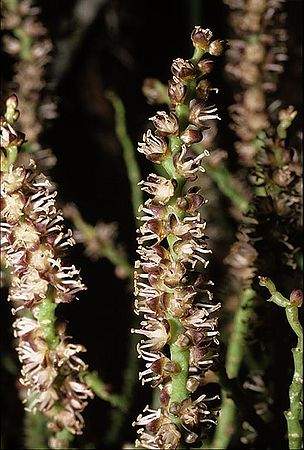
Ambohitsaratelo, Tsiroanomandid, Madagascar. Photo by Dr. John Dransfield, Royal Botanic Gardens, Kew/Palmweb.
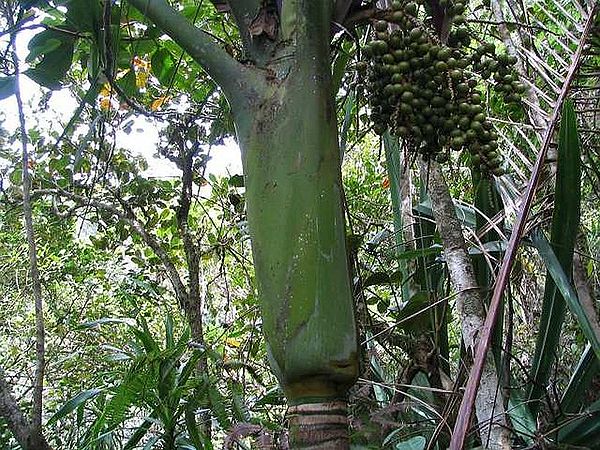
Dypsis baronii var. Compactus. Marojejy Park, Madagascar. Photo by Jeff Searle, Searle Brothers Nursery, FL.

Dypsis baronii var. Compactus. Marojejy Park, Madagascar. Photo by Jeff Searle, Searle Brothers Nursery, FL.

Dypsis baronii var. Compactus. Marojejy Park, Madagascar. Photo by Jeff Searle, Searle Brothers Nursery, Fl.
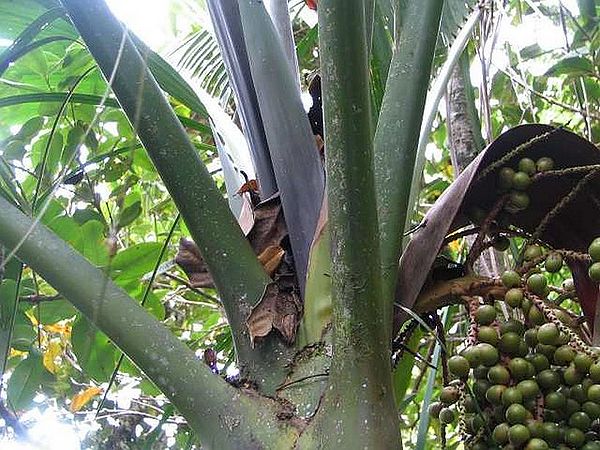
Dypsis baronii var. Compactus. Marojejy Park, Madagascar. Photo by Jeff Searle, Searle Brothers Nursery, FL.

Fallbrook, California.

Hawaii.
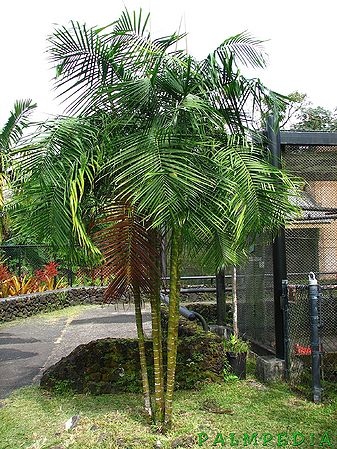
Pana'ewa Rainforest Zoo & Gardens, Hilo, Hawaii.

Flower Spike, California.

Auckland Botanic Gardens, Manukau City, New Zealand.
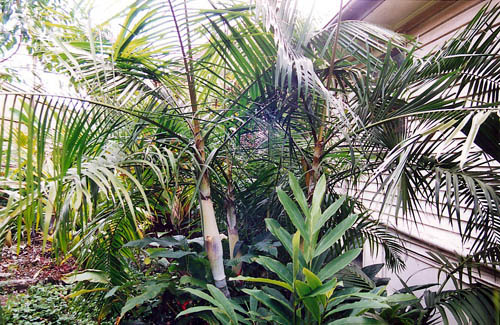
South-east Queensland. Photo by Michael Gray.

South-east Queensland. Photo by Michael Gray.


In habitat. Photo-Rare Palm Seeds.com

var. 'Black stem', Madagascar. Photo by Justin.

var. 'Black stem', Madagascar. Photo by Justin.

var. 'Black stem', Madagascar. Photo by Justin.

var. 'Black stem', Madagascar. Photo by Justin.

var. 'Black stem', Madagascar. Photo by Justin.

var. 'Black stem' In habitat. Photo-Rare Palm Seeds.com

var. 'Black stem' In habitat. Photo-Rare Palm Seeds.com
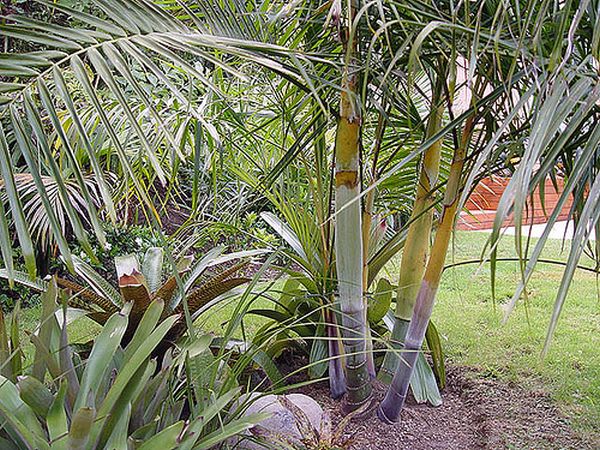

Rare solitary form, Ventura County, CA.
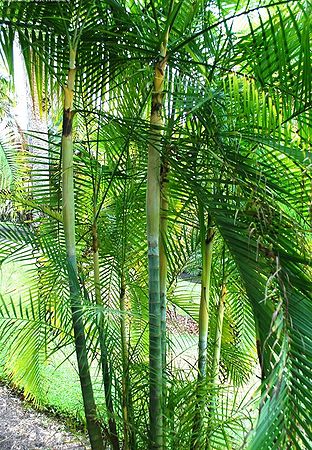
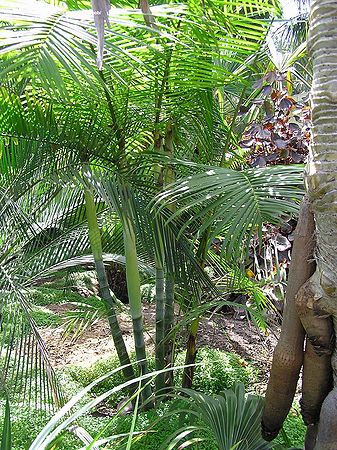

Rare solitary form, Fallbrook CA.


SoCal.


Rare solitary form, Ventura County, CA.

Miniture form.

Photo by Geoff Stein.

Photo by Geoff Stein.

SoCal. Photo by Geoff Stein.

Hawaii. Photo by Geoff Stein.

SoCal. Photo by Geoff Stein.

Hawaii. Photo by Geoff Stein.

Photo by Geoff Stein.

Hilo, Hawaii. Photo by Geoff Stein.

H.P. Leu Gardens, Orlando FL. Photo by Leu Gardens botanist Eric S.

SoCal. Photo by Geoff Stein.

SoCal. Photo by Geoff Stein.

Photo by Geoff Stein.

Photo by Geoff Stein.

Kiama, about 2 hours drive south of Sydney, 800 m. from the sea, south coast NSW. Photo by Daryl O'Connor.

Kiama, about 2 hours drive south of Sydney, 800 m. from the sea, south coast NSW. Photo by Colin.

Kiama, about 2 hours drive south of Sydney, 800 m. from the sea, south coast NSW. Photo by Colin.

SoCal. Photo by Vince Bury.

Gold Coast Hinterland, Queensland. Photo by Daryl O'Connor.

Hawaii. var. 'Black stem' Photo by Bill Austin.
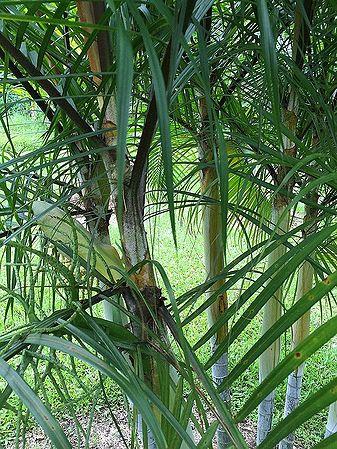
Hawaii. Bill Austin's place. var. 'Black stem' Photo by Paul Latzias.

Hawaii. Bill Austin's place. var. 'Black stem' Photo by Paul Latzias.

Hawaii. Bill Austin's place. var. 'Black stem' Photo by Paul Latzias.

Sunshine coast, Queensland, Australia. Leo Gamble's place. Photo by Paul Latzias.

Sunshine coast, Queensland, Australia. Leo Gamble's place. Photo by Paul Latzias.

Sunshine coast, Queensland, Australia. Leo Gamble's place. Photo by Paul Latzias.

At Daryl O'Connors, Gold Coast Hinterland, Queensland Australia. "Labelled baronii but a strange awesome form of it." Photo by Paul Latzias.

At Daryl O'Connors, Gold Coast Hinterland, Queensland Australia. "Labelled baronii but a strange awesome form of it." Photo by Paul Latzias.

Roma Street Parklands, Brisbane, Australia. Photo by Paul Latzias.

Maromizaha réserve, Madagascar. Photo by Jean Pierre Riviere.

Maromizaha réserve, Madagascar. Photo by Jean Pierre Riviere.

Maromizaha réserve, Madagascar. Photo by Jean Pierre Riviere.

Madagascar. Photo by Dr. Mijoro Rakotoarinivo, Royal Botanic Gardens, Kew.

Madagascar. Photo by Dr. Mijoro Rakotoarinivo, Royal Botanic Gardens, Kew.

Madagascar. Photo by Dr. Mijoro Rakotoarinivo, Royal Botanic Gardens, Kew.

Madagascar. Dr. Mijoro Rakotoarinivo giving scale. Photo by Dr. Mijoro Rakotoarinivo, Royal Botanic Gardens, Kew.

Madagascar. Photo by Dr. Mijoro Rakotoarinivo, Royal Botanic Gardens, Kew.

Huntington Botanical Gardens, CA. Photo by Kyle Wicomb.

"Darold has great drainage with his deep sandy soil and is situated in the Sunset area of San Francisco where foggy and overcast conditions persist for weeks in Summer with temperatures in nmidsummer sometimes not exceeding 60 F ( 16 c )." (Troy Donovan). Darold Petty Garden. Photo by Troy Donovan

"Darold has great drainage with his deep sandy soil and is situated in the Sunset area of San Francisco where foggy and overcast conditions persist for weeks in Summer with temperatures in nmidsummer sometimes not exceeding 60 F ( 16 c )." (Troy Donovan). D. baronii var. 'Black Stem'. Darold Petty Garden. Photo by Troy Donovan

Old Beach, Tasmania. Garden of Troy Donovan. Photo by Troy Donovan.


External Links
- Glossary of Palm Terms
- MODERN BOTANICAL LATIN
- "Just To Be Clear"
- http://www.youtube.com/watch?v=pFtZijqm1Sc
- http://www.cites.org/common/com/pc/20/inf%20docs/F20-11i-A6.pdf
References
Phonetic spelling of Latin names by edric. Edit by João Santos Costa
Special thanks to Geoff Stein, (Palmbob) for his hundreds of photos.
Special thanks to Palmweb.org, Dr. John Dransfield, Dr. Bill Baker & team, for their volumes of information and photos.
Glossary of Palm Terms; Based on the glossary in Dransfield, J., N.W. Uhl, C.B. Asmussen-Lange, W.J. Baker, M.M. Harley & C.E. Lewis. 2008. Genera Palmarum - Evolution and Classification of the Palms. Royal Botanic Gardens, Kew. All images copyright of the artists and photographers (see images for credits).
Dransfield, J. & Beentje, H. 1995. Palms of Madagascar. Royal Botanic Gardens, Kew and The International Palm Society.
Many Special Thanks to Ed Vaile for his long hours of tireless editing and numerous contributions.