Difference between revisions of "Metroxylon amicarum"
| (15 intermediate revisions by one user not shown) | |||
| Line 1: | Line 1: | ||
__noeditsection__ | __noeditsection__ | ||
{{Palmbox | {{Palmbox | ||
| − | |image= | + | |image=058804.jpg |
| − | |image_caption= | + | |image_caption=Hawaii. "Flowers arising from lowest leaf bases, not on tippy top, as in other species in the genus". Photo by Geoff Stein. |
|genus=Metroxylon (meht-ROKS-ih-lohn) | |genus=Metroxylon (meht-ROKS-ih-lohn) | ||
|species=<br>amicarum (ahm-ee-KAR-oom) | |species=<br>amicarum (ahm-ee-KAR-oom) | ||
| Line 17: | Line 17: | ||
|soil_type= | |soil_type= | ||
|msi= | |msi= | ||
| − | |common_names=English name: Caroline Ivory Nut Palm, Pohnpeian name: Oahs (Ohs), Chuukese name: Foun Rúpwúng, Rúpwúng. | + | |common_names=English name: Caroline Ivory Nut Palm, Pohnpeian name: Oahs (Ohs), Chuukese name: Foun Rúpwúng, Rúpwúng. Rúpwúng [Foun Rüpwung from Web] (Chuuk), Oahs (Pohnpei) |
| + | |||
| + | |||
}} | }} | ||
==Habitat and Distribution== | ==Habitat and Distribution== | ||
| − | Endemic to the Caroline Is., Marianas. Usually found in wet, swampy areas and river sides. | + | Endemic to the Caroline Is., Marianas. Usually found in wet, swampy areas and river sides. [[image:Mastarr-120216-2502.jpg|thumb|left|500px|Keanae Arboretum, Maui. Photo by Forest & Kim Starr.]]Found only on the Islands of Pohnpei and Chuuk. This palm was probably introduced to some areas of Micronesia, [including Chuuk,] either in the prehistoric period, or shortly after European contact began. |
| − | [[ | + | |
==Description== | ==Description== | ||
Growing to heights of 25 m (80 ft) or more. Leaf shape and morphology: Leaves are large (25-30 ft) in length. Divided once; leaflets are linear and parallel veined (3-4 ft. long), even pinnately compound. Leaflets pointing posterior arranged dorsally, unlike coconut palm that has its leaves arranged laterally. Entire but sharp leave margins. Stem type: Woody (lignified) stem often grows to heights 80 feet (25 m) or more. Prickly, large stem 3-5 ft. in diameter. Young ones are pubescent. Floral characteristics: Flowers on large inflorescence branches located axillary. Flowers are produced regularly which enables it to constantly bear fruits. Fruit: Round (4-6 in., 10-15 cm) in diameter. Fruit skin (exocarp) is scalelike. Fibrous mesocarp; white meat (endosperm) covering embryo. Embryo is soft when young and hardens when old. Unlike other botanically related palms in the genus Metroxylon, this palm tree flowers regularly for a number of years rather than flowering once and dying. It has large 10-15 cm (4-6 in) wide, round, scaly nuts. (comfsm.fm) Editing by edric. | Growing to heights of 25 m (80 ft) or more. Leaf shape and morphology: Leaves are large (25-30 ft) in length. Divided once; leaflets are linear and parallel veined (3-4 ft. long), even pinnately compound. Leaflets pointing posterior arranged dorsally, unlike coconut palm that has its leaves arranged laterally. Entire but sharp leave margins. Stem type: Woody (lignified) stem often grows to heights 80 feet (25 m) or more. Prickly, large stem 3-5 ft. in diameter. Young ones are pubescent. Floral characteristics: Flowers on large inflorescence branches located axillary. Flowers are produced regularly which enables it to constantly bear fruits. Fruit: Round (4-6 in., 10-15 cm) in diameter. Fruit skin (exocarp) is scalelike. Fibrous mesocarp; white meat (endosperm) covering embryo. Embryo is soft when young and hardens when old. Unlike other botanically related palms in the genus Metroxylon, this palm tree flowers regularly for a number of years rather than flowering once and dying. It has large 10-15 cm (4-6 in) wide, round, scaly nuts. (comfsm.fm) Editing by edric. | ||
| + | |||
| + | This plant is a large palm tree that grows to heights of 25 m (80 ft) or more. Unlike other botanically related palms in the genus Metroxylon, this palm tree flowers regularly for a number of years rather than flowering once and dying. Its large 10-15 cm (4-6 in) wide, round, scaly nuts are eaten by pigs. Because the "meat" (endosperm) of the nut is white and hard, this plant is known in English as the "ivory nut palm." (manoa.hawaii.edu) | ||
Usually growing to 20, but occasionally over 25 m, these massive palms have solitary trunks with widely spaced leaf-scar rings and old leaf bases attached to the top. Leaves are pinnately arranged, 5 m long, on one meter petioles. The lanceolate leaflets are dark green to 1 m and occur on the rachis at varying angles, creating a plumose leaf. Unlike its monocarpic relatives, this species has a narrow inflorescence which develops within the leaf-bases; the stem is erect until the fruit matures and then sags to a pendent cluster. The single-seeded fruit are 9 cm long, extremely hard, and are covered in brown, glossy scales. Of all species in the genus it is probably the most hardy to cold. It is found only in Micronesia. It is threatened by habitat loss. | Usually growing to 20, but occasionally over 25 m, these massive palms have solitary trunks with widely spaced leaf-scar rings and old leaf bases attached to the top. Leaves are pinnately arranged, 5 m long, on one meter petioles. The lanceolate leaflets are dark green to 1 m and occur on the rachis at varying angles, creating a plumose leaf. Unlike its monocarpic relatives, this species has a narrow inflorescence which develops within the leaf-bases; the stem is erect until the fruit matures and then sags to a pendent cluster. The single-seeded fruit are 9 cm long, extremely hard, and are covered in brown, glossy scales. Of all species in the genus it is probably the most hardy to cold. It is found only in Micronesia. It is threatened by habitat loss. | ||
| Line 29: | Line 32: | ||
Growing Comments: "All Metroxylon palms are large & impressive & all except M. amicarum will die after they produce flowers & fruit. They actually prefer swampy conditions, but still are excellent growers in our garden, where drainage is excellent. These are all relatively fast growers & two of our largest M. amicarum have grown from about one foot overall height to about 25 ft overall height in seven years, but no trunk yet. Growth rate is about a 6.0-7.0 on a scale of 1-10." (BGL) | Growing Comments: "All Metroxylon palms are large & impressive & all except M. amicarum will die after they produce flowers & fruit. They actually prefer swampy conditions, but still are excellent growers in our garden, where drainage is excellent. These are all relatively fast growers & two of our largest M. amicarum have grown from about one foot overall height to about 25 ft overall height in seven years, but no trunk yet. Growth rate is about a 6.0-7.0 on a scale of 1-10." (BGL) | ||
==Comments and Curiosities== | ==Comments and Curiosities== | ||
| + | Etymology: The specific epithet is from the Latin - ''amicarium'' literally; "of friends." | ||
| + | |||
{{read more top}} | {{read more top}} | ||
Endemic to the Caroline Islands. It was named for the Friendly Islands, now Tonga, from where it was first thought to have descended. It is the only species in the Metroxylon genus which is not hapaxanthic ([[monocarpic]]). | Endemic to the Caroline Islands. It was named for the Friendly Islands, now Tonga, from where it was first thought to have descended. It is the only species in the Metroxylon genus which is not hapaxanthic ([[monocarpic]]). | ||
| Line 50: | Line 55: | ||
<center><gallery caption="IMAGE GALLERY" perrow="" widths="" heights=""> | <center><gallery caption="IMAGE GALLERY" perrow="" widths="" heights=""> | ||
Image:MetAmi1.jpg|Floribunda Palms, Hawaii - Suchin Marcus for Scale. | Image:MetAmi1.jpg|Floribunda Palms, Hawaii - Suchin Marcus for Scale. | ||
| − | Image: | + | Image:Metroxylon_amicarum_dark.jpg|Hilo, Hawaii. |
Image:Ho'o13.jpg|Ho'omaluhia, Hawaii. | Image:Ho'o13.jpg|Ho'omaluhia, Hawaii. | ||
| − | Image:Metrroxylon amicarum | + | Image:Metrroxylon amicarum close.jpg|Crown Close-up. |
image:F120614j2.JPG|Floribuna, Hawaii, photo by BGL. | image:F120614j2.JPG|Floribuna, Hawaii, photo by BGL. | ||
image:Metroxylon_amicarum76.jpg|Hawaiian Tropical Botanical. | image:Metroxylon_amicarum76.jpg|Hawaiian Tropical Botanical. | ||
| Line 71: | Line 76: | ||
image:Mastarr-120716-8418.jpg|Panaewa Rainforest Zoo and Gardens, Hilo, Hawaii. Photo by Forest & Kim Starr. | image:Mastarr-120716-8418.jpg|Panaewa Rainforest Zoo and Gardens, Hilo, Hawaii. Photo by Forest & Kim Starr. | ||
image:Mastarr-120716-8419.jpg|Panaewa Rainforest Zoo and Gardens, Hilo, Hawaii. Photo by Forest & Kim Starr. | image:Mastarr-120716-8419.jpg|Panaewa Rainforest Zoo and Gardens, Hilo, Hawaii. Photo by Forest & Kim Starr. | ||
| + | File:Caroline-ivory-nut-palm-in-habitat.jpg|Caroline Is., Marianas. | ||
| + | File:Caroline-ivory-nut-palm-close-up-of-immature-stem-.jpg|Caroline Is., Marianas. | ||
| + | File:Caroline-ivory-nut-palm-in-habitat (1).jpg|Caroline Is., Marianas. | ||
image:86be6b.jpg|Hawaii. Photo by Geoff Stein. | image:86be6b.jpg|Hawaii. Photo by Geoff Stein. | ||
image:A8142a.jpg|Hawaii. Photo by Geoff Stein. | image:A8142a.jpg|Hawaii. Photo by Geoff Stein. | ||
image:1acbd6.jpg|Lyon Arboretum and Botanical Garden, University of Hawaiʻi at Mānoa valley, Honolulu, Hawaii. Photo by Geoff Stein. | image:1acbd6.jpg|Lyon Arboretum and Botanical Garden, University of Hawaiʻi at Mānoa valley, Honolulu, Hawaii. Photo by Geoff Stein. | ||
image:C90bc2.jpg|Panaewa Rainforest Zoo and Gardens, Hilo, Hawaii. Photo by Geoff Stein. | image:C90bc2.jpg|Panaewa Rainforest Zoo and Gardens, Hilo, Hawaii. Photo by Geoff Stein. | ||
| − | image:058804.jpg|Hawaii. Photo by Geoff Stein. | + | image:058804.jpg|Hawaii. "Flowers arising from lowest leaf bases, not on tippy top, as in other species in the genus". Photo by Geoff Stein. |
| − | File: | + | File:4ecd5c.jpg|Hawaii. Photo by Geoff Stein. |
| + | File:e2e272.jpg|Hawaii. Photo by Geoff Stein. | ||
| + | File:f21142.jpg|Hawaii. Photo by Geoff Stein. | ||
| + | File:162091.jpg|Hawaii. Photo by Geoff Stein. | ||
| − | image:Met_ami_hab.jpg|Photo-botany.hawaii.eu, Dr. R. L. Stemmermann | + | File:ma34097854377.JPG|Hawaii. Photo by Paul Craft. |
| + | File:ma118805639022.JPG|Hawaii. Photo by Paul Craft. | ||
| + | File:ma346578098965.JPG|Hawaii. Photo by Paul Craft. | ||
| + | File:ma21907453389.JPG|Hawaii. Photo by Paul Craft. | ||
| + | File:ma99564120674.JPG|Hawaii. Photo by Paul Craft. | ||
| + | File:8253567261_a936c6d0f9_o.jpg|Flecker Botanic Garden, Cairns, QLD, 28/11/12. Photo by Russell Cumming. | ||
| + | File:8253567157_a2dc245340_o.jpg|Flecker Botanic Garden, Cairns, QLD, 28/11/12. Photo by Russell Cumming. | ||
| + | File:8253567079_dd69eb5f3c_o.jpg|Flecker Botanic Garden, Cairns, QLD, 28/11/12. Photo by Russell Cumming. | ||
| + | File:8253566995_6ed5c18afb_o.jpg|Flecker Botanic Garden, Cairns, QLD, 28/11/12. Photo by Russell Cumming. | ||
| + | File:8253567333_0b64fa32bc_o.jpg|Flecker Botanic Garden, Cairns, QLD, 28/11/12. Photo by Russell Cumming. | ||
| + | File:ma3039384859211.JPG|Thailand. Photo by Philippe Alvarez. | ||
| + | File:ma2938345011877.JPG|Thailand. Photo by Philippe Alvarez. | ||
| + | File:ma212928475600.JPG|Thailand. Photo by Philippe Alvarez. | ||
| + | File:ma55618175033.JPG|Thailand. Photo by Philippe Alvarez. | ||
| + | File:ma66940226519.JPG|Thailand. Photo by Philippe Alvarez. | ||
| + | File:ma59584632011.JPG|Thailand. Photo by Philippe Alvarez. | ||
| + | File:ma7700327459133.JPG|Thailand. Photo by Philippe Alvarez. | ||
| + | File:ma11292634096.JPG|Thailand. Photo by Philippe Alvarez. | ||
| + | File:ma39281017654.JPG|Thailand. Photo by Philippe Alvarez. | ||
| + | File:ma44906830177.JPG|Thailand. Photo by Philippe Alvarez. | ||
| + | File:ma328239409876.JPG|Thailand. Photo by Philippe Alvarez. | ||
| + | |||
| + | File:post-22-0-19563200-1420341734.jpg|Karolyn's garden in Leilani Estates, Hawaii. Photo by Bo-Göran Lundkvist. | ||
| + | File:M. amicarum closeup1.jpg|Hawaii. Photo by Bo-Göran Lundkvist. | ||
| + | image:Met_ami_hab.jpg|Photo-botany.hawaii.eu, Dr. R. L. Stemmermann. | ||
image:Mapost-3764-12754710317687.jpg|Innisfail, Queensland Australia. Photo by Bruce Lowe. | image:Mapost-3764-12754710317687.jpg|Innisfail, Queensland Australia. Photo by Bruce Lowe. | ||
image:Mapost-3764-12754710427483.jpg|Innisfail, Queensland Australia. Photo by Bruce Lowe. | image:Mapost-3764-12754710427483.jpg|Innisfail, Queensland Australia. Photo by Bruce Lowe. | ||
Latest revision as of 02:24, 12 January 2016
| Metroxylon (meht-ROKS-ih-lohn) amicarum (ahm-ee-KAR-oom) | |||||||
|---|---|---|---|---|---|---|---|
 Hawaii. "Flowers arising from lowest leaf bases, not on tippy top, as in other species in the genus". Photo by Geoff Stein. | |||||||
| Scientific Classification | |||||||
| |||||||
| Synonyms | |||||||
|
| |||||||
| Native Continent | |||||||
 | |||||||
| Morphology | |||||||
| |||||||
| Culture | |||||||
|
| |||||||
| Survivability index | |||||||
|
| |||||||
| Common names | |||||||
|
| |||||||
Contents
Habitat and Distribution
Endemic to the Caroline Is., Marianas. Usually found in wet, swampy areas and river sides.
Description
Growing to heights of 25 m (80 ft) or more. Leaf shape and morphology: Leaves are large (25-30 ft) in length. Divided once; leaflets are linear and parallel veined (3-4 ft. long), even pinnately compound. Leaflets pointing posterior arranged dorsally, unlike coconut palm that has its leaves arranged laterally. Entire but sharp leave margins. Stem type: Woody (lignified) stem often grows to heights 80 feet (25 m) or more. Prickly, large stem 3-5 ft. in diameter. Young ones are pubescent. Floral characteristics: Flowers on large inflorescence branches located axillary. Flowers are produced regularly which enables it to constantly bear fruits. Fruit: Round (4-6 in., 10-15 cm) in diameter. Fruit skin (exocarp) is scalelike. Fibrous mesocarp; white meat (endosperm) covering embryo. Embryo is soft when young and hardens when old. Unlike other botanically related palms in the genus Metroxylon, this palm tree flowers regularly for a number of years rather than flowering once and dying. It has large 10-15 cm (4-6 in) wide, round, scaly nuts. (comfsm.fm) Editing by edric.
This plant is a large palm tree that grows to heights of 25 m (80 ft) or more. Unlike other botanically related palms in the genus Metroxylon, this palm tree flowers regularly for a number of years rather than flowering once and dying. Its large 10-15 cm (4-6 in) wide, round, scaly nuts are eaten by pigs. Because the "meat" (endosperm) of the nut is white and hard, this plant is known in English as the "ivory nut palm." (manoa.hawaii.edu)
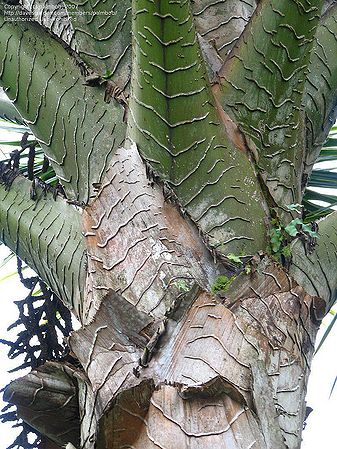
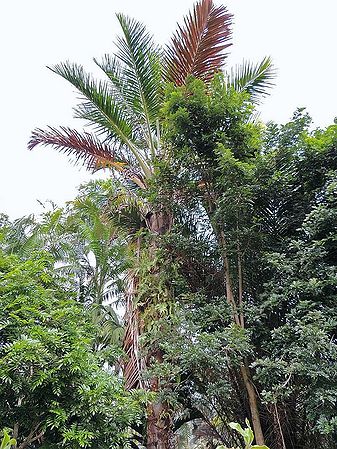
Usually growing to 20, but occasionally over 25 m, these massive palms have solitary trunks with widely spaced leaf-scar rings and old leaf bases attached to the top. Leaves are pinnately arranged, 5 m long, on one meter petioles. The lanceolate leaflets are dark green to 1 m and occur on the rachis at varying angles, creating a plumose leaf. Unlike its monocarpic relatives, this species has a narrow inflorescence which develops within the leaf-bases; the stem is erect until the fruit matures and then sags to a pendent cluster. The single-seeded fruit are 9 cm long, extremely hard, and are covered in brown, glossy scales. Of all species in the genus it is probably the most hardy to cold. It is found only in Micronesia. It is threatened by habitat loss.
Culture
Growing Comments: "All Metroxylon palms are large & impressive & all except M. amicarum will die after they produce flowers & fruit. They actually prefer swampy conditions, but still are excellent growers in our garden, where drainage is excellent. These are all relatively fast growers & two of our largest M. amicarum have grown from about one foot overall height to about 25 ft overall height in seven years, but no trunk yet. Growth rate is about a 6.0-7.0 on a scale of 1-10." (BGL)
Comments and Curiosities
Etymology: The specific epithet is from the Latin - amicarium literally; "of friends."
| read more |
|---|
|
Endemic to the Caroline Islands. It was named for the Friendly Islands, now Tonga, from where it was first thought to have descended. It is the only species in the Metroxylon genus which is not hapaxanthic (monocarpic). The origin of Metroxylon is disputed: Moluccan, Moluccan and New Guinean, or Melanesian. It only occurs in South-East Asia and several island groups of Micronesia and Melanesia. The distribution areas of the seven species in this genus within this area are neighbouring but hardly overlap. Metroxylon sagu is the most widespread and naturalized throughout South-East Asia. The other four occur from the Federated States of Micronesia and the Bismarck Archipelago north of New Guinea to Western Samoa far to the east of it.; - Metroxylon amicarum is found in the Federated States of Micronesia (native in Pohnpei and Truk, probably planted in Nukuoro, and in Kusaie), and cultivated in the Philippines and in Guam.; - Metroxylon salomonense grows in Papua New Guinea (north-eastern New Guinea, Bismarck Archipelago, Bougainville Island), throughout the Solomon Islands (e.g. Guadalcanal, Santa Cruz Islands), and in Vanuatu (probably imported).; - Metroxylon warburgii is found in Vanuatu (indigenous), in West Samoa, and in the Fijian depency Rotuma, while its occurrence on Tikopia in Solomon Islands is uncertain.; - Metroxylon vitiense only occurs in Fiji (e.g. on Viti Levu, Vanua Levu, and Ovalau). (proseanet.org) Uses: Chuuk Island, Thatch sheets made out of the palm fronds of Rúpwúng are used in roofing and wall construction because they provide the longest lasting thatch. The binding rods, around which the individual leaflets are wrapped, are made from a swamp grass or reed called Woowo (Phragmites karka). The leaves also serve as brooms, and children sometimes make bats and balls out of the leaf base. Wood from the trunk of Rúpwúng is used to make house rafters and floorboards (for raised platforms in sleeping areas). Children sometimes use the leaf stalks (petioles) of the large leaves to make rafts. This attractive palm is a desirable ornamental plant and its hard nut, which is used as a vegetable source for a material resembling ivory, could become a valuable export item in the future. During Japanese times buttons were made from it." (comfsm.fm) Pohnpei Island, The word for "roof" in Pohnpeian is Oahs, which follows from the fact that the leaves of this palm are the main source of roof thatch on Pohnpei. This attractive native palm is a desirable ornamental plant and its hard nut, as a vegetable source for ivory, may become a valuable export item in the future. Oahs also has traditional value as a source of medicine. There are three native palm tree species on Pohnpei. Oahs is the tallest. Thus, if someone is born of Nanmwarki line (blood from the mother's side, Neinneinioahs Soupeidi), the child will grow up to be as tall, or more importantly, as high in rank as his forebearers ‑‑ an honorific, with symbolic reference to this tall native palm tree. [From web, Uses: Ivory leaves are a main source of roof thatch on Pohnpei. The fruit (white meat) is eaten by pigs. Young leaves and stem cork (phellem) are important sources of local medicine. (comfsm.fm) “The roots are use for medicine. For example when a person got injured the roots of the Oahs is the best thing for treatment. The stem of this plant is use for floorboards of local huts and also for support of the huts roof." (comfsm.fm) "The Oahs plant is also considered the most important plant here in Pohnpei. It is an indigenous plant for it has been here for thousands of years. On the other hand, according to the legend there's a story about how Oahs plant came to and its importances. According to the legend ,way back in the early centuries when Pohnpei was built there weren't any tree on Pohnpei. People live in houses of rocks with no roofs. By then there was a lady who came from somewhere and found out that these people live under rocks with no roofs so she went back to her place and sent an Oahs plant by some form of magic. So those people of that time used the leave for roof and the rest of the plant for some other significance uses. Nowadays we still consider Oahs as an important plant for all its important uses. All the parts of the plant have their own special uses like the roots, the stem the fruits, seeds, the flowers and even the leaves. The roots are use for medicine. For example when a person got injured the roots of the Oahs is the best thing for treatment. The stem of this plant is use for floorboards of local huts and also for support of the huts roof. The fruits but especially the white part is use for feeding pigs and shrimp. The small flowers which turn into the fruits is the food for the birds. The leaves are use for local medicine also and thatch roof. The floral bracts of this plant is use for carrying sakau, use for making toy. Also birds like to make their nest on top part of the plant. So to sum up the uses of the plant include treating sicknesses, for house roofs and floors and carrying other heavy things like sakau." (comfsm.fm) "Huge palm up to 80' tall and leaves up to 30' long and arching. Leaflets grow in a V along the rachis, growing up and drooping at the ends. This species of Metroxylon is NOT monocarpic and its inflorescences come from below the leaves, not apically as in the monocapric species. This palm is one of the more common sources of Ivory Nut, hard palm seeds used for carving. The seed of this palm is quite ornamental- almost like it's been carved already in a criss-cross pattern in a nice red-brown color. Like all Metroxylons, this species has spines in wavy patterns along the leaf bases- highly ornamental (and not TOO viscious). Fast growing palms in the tropics... can't grow them in southern California. Some species of Metroxyon do fine in Miami. This species is from the Caroline Islands in Micronesia." (Geoff Stein) Conservation: Vulnerable. |
- IMAGE GALLERY

Floribunda Palms, Hawaii - Suchin Marcus for Scale.
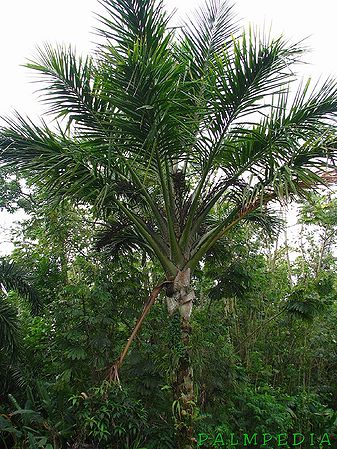
Hilo, Hawaii.
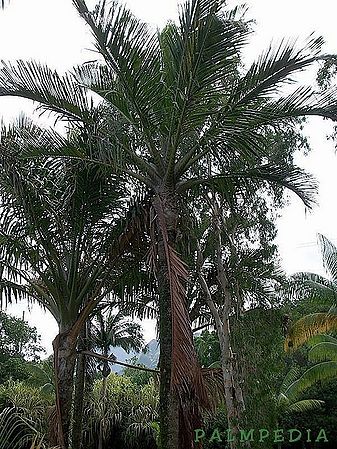
Ho'omaluhia, Hawaii.
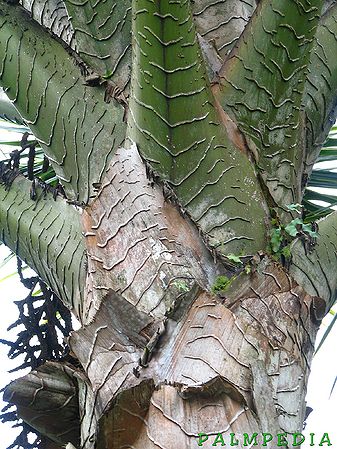
Crown Close-up.

Floribuna, Hawaii, photo by BGL.
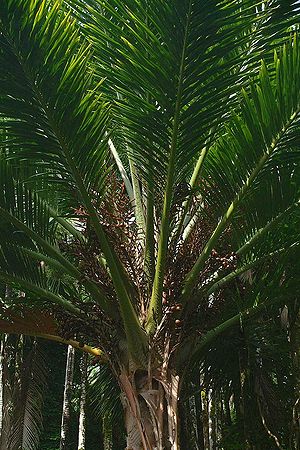
Hawaiian Tropical Botanical.

Hilo, Hawaii. Photo by Timothy Brian.

Keanae Arboretum, Maui. Photo by Forest & Kim Starr.

Keanae Arboretum, Maui. Photo by Forest & Kim Starr.

Keanae Arboretum, Maui. Photo by Forest & Kim Starr.

Keanae Arboretum, Maui. Photo by Forest & Kim Starr.

Keanae Arboretum, Maui. Photo by Forest & Kim Starr,.
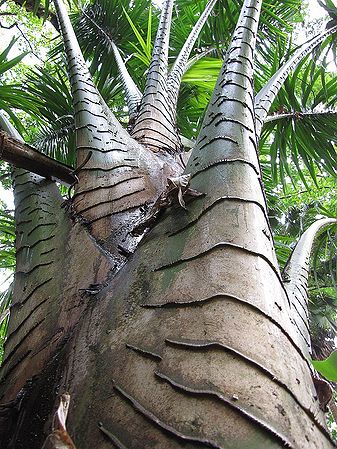
Keanae Arboretum, Maui. Photo by Forest & Kim Starr.

Keanae Arboretum, Maui. Photo by Forest & Kim Starr.

Keanae Arboretum, Maui. Photo by Forest & Kim Starr.

Keanae Arboretum, Maui. Photo by Forest & Kim Starr.

Keanae Arboretum, Maui. Photo by Forest & Kim Starr.

Panaewa Rainforest Zoo and Gardens, Hilo, Hawaii. Photo by Forest & Kim Starr.

Panaewa Rainforest Zoo and Gardens, Hilo, Hawaii. Photo by Forest & Kim Starr.

Panaewa Rainforest Zoo and Gardens, Hilo, Hawaii. Photo by Forest & Kim Starr.

Panaewa Rainforest Zoo and Gardens, Hilo, Hawaii. Photo by Forest & Kim Starr.

Panaewa Rainforest Zoo and Gardens, Hilo, Hawaii. Photo by Forest & Kim Starr.

Caroline Is., Marianas.

Caroline Is., Marianas.

Caroline Is., Marianas.
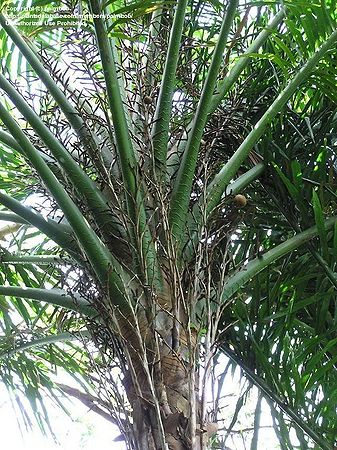
Hawaii. Photo by Geoff Stein.

Hawaii. Photo by Geoff Stein.

Lyon Arboretum and Botanical Garden, University of Hawaiʻi at Mānoa valley, Honolulu, Hawaii. Photo by Geoff Stein.
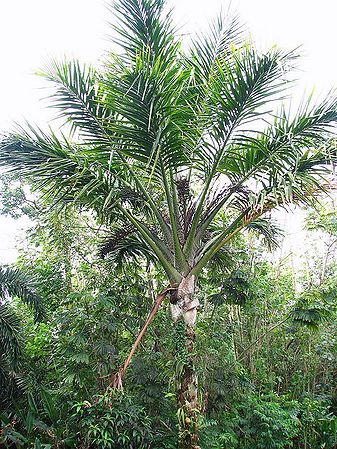
Panaewa Rainforest Zoo and Gardens, Hilo, Hawaii. Photo by Geoff Stein.
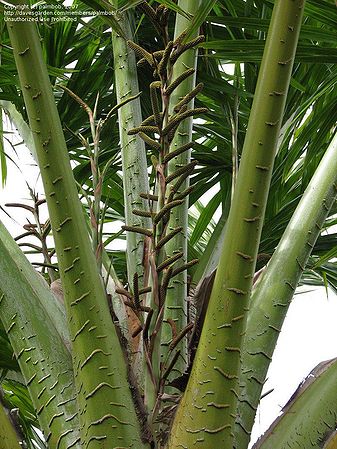
Hawaii. "Flowers arising from lowest leaf bases, not on tippy top, as in other species in the genus". Photo by Geoff Stein.
Hawaii. Photo by Geoff Stein.

Hawaii. Photo by Geoff Stein.
Hawaii. Photo by Geoff Stein.

Hawaii. Photo by Geoff Stein.

Hawaii. Photo by Paul Craft.

Hawaii. Photo by Paul Craft.

Hawaii. Photo by Paul Craft.

Hawaii. Photo by Paul Craft.

Hawaii. Photo by Paul Craft.

Flecker Botanic Garden, Cairns, QLD, 28/11/12. Photo by Russell Cumming.

Flecker Botanic Garden, Cairns, QLD, 28/11/12. Photo by Russell Cumming.

Flecker Botanic Garden, Cairns, QLD, 28/11/12. Photo by Russell Cumming.

Flecker Botanic Garden, Cairns, QLD, 28/11/12. Photo by Russell Cumming.

Flecker Botanic Garden, Cairns, QLD, 28/11/12. Photo by Russell Cumming.

Thailand. Photo by Philippe Alvarez.

Thailand. Photo by Philippe Alvarez.

Thailand. Photo by Philippe Alvarez.

Thailand. Photo by Philippe Alvarez.

Thailand. Photo by Philippe Alvarez.
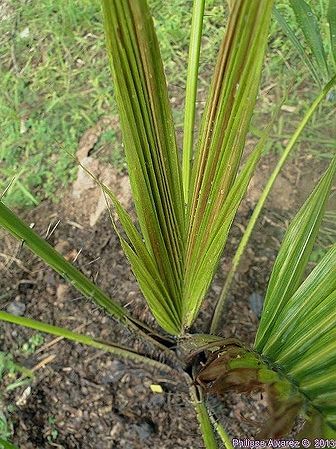
Thailand. Photo by Philippe Alvarez.

Thailand. Photo by Philippe Alvarez.

Thailand. Photo by Philippe Alvarez.
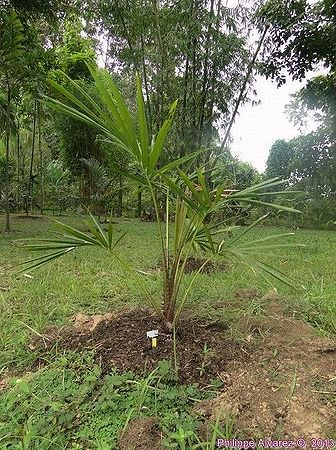
Thailand. Photo by Philippe Alvarez.
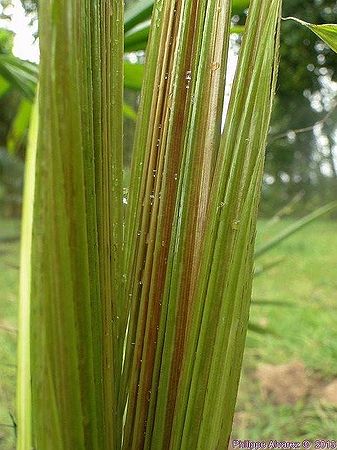
Thailand. Photo by Philippe Alvarez.

Thailand. Photo by Philippe Alvarez.

Karolyn's garden in Leilani Estates, Hawaii. Photo by Bo-Göran Lundkvist.

Hawaii. Photo by Bo-Göran Lundkvist.

Photo-botany.hawaii.eu, Dr. R. L. Stemmermann.

Innisfail, Queensland Australia. Photo by Bruce Lowe.
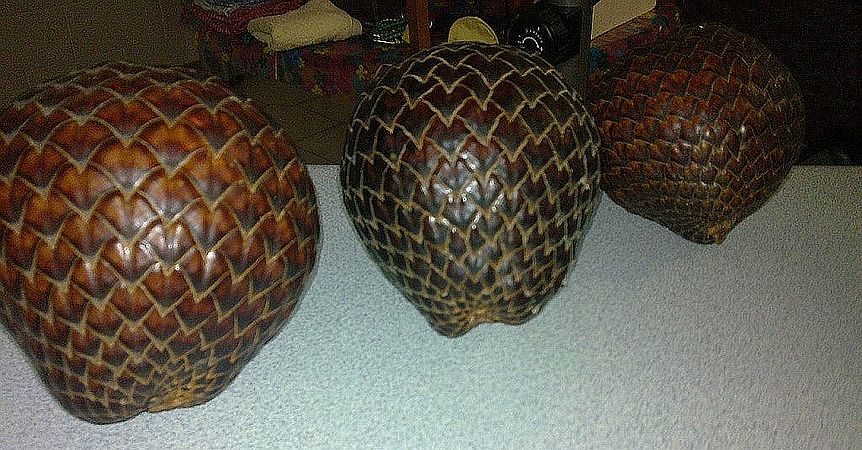
Innisfail, Queensland Australia. Photo by Bruce Lowe.

Innisfail, Queensland Australia. Photo by Bruce Lowe.

Innisfail, Queensland Australia. Photo by Bruce Lowe.

Innisfail, Queensland Australia. Photo by Bruce Lowe.

Photo by BGL.


.jpg)


External Links
- Glossary of Palm Terms
- MODERN BOTANICAL LATIN
- "Just To Be Clear"
- http://waynesword.palomar.edu/pljan99.htm
- http://agroforestry.net/tti/Metroxylon-sagopalm.pdf
References
Phonetic spelling of Latin names by edric.
Special thanks to Geoff Stein, (Palmbob) for his hundreds of photos.
Special thanks to Palmweb.org, Dr. John Dransfield, Dr. Bill Baker & team, for their volumes of information and photos.
Glossary of Palm Terms; Based on the glossary in Dransfield, J., N.W. Uhl, C.B. Asmussen-Lange, W.J. Baker, M.M. Harley & C.E. Lewis. 2008. Genera Palmarum - Evolution and Classification of the Palms. Royal Botanic Gardens, Kew. All images copyright of the artists and photographers (see images for credits).
Many Special Thanks to Ed Vaile for his long hours of tireless editing and numerous contributions.