Difference between revisions of "Howea forsteriana"
Geoff Stein - Author & Editor
| Line 4: | Line 4: | ||
</center> | </center> | ||
'''''Howea forsteriana''''' is one of the most commonly grown palms in the US, including southern California, where it not only performs very well as a tall specimen plant and canopy palm, but as a excellent indoor palm as well. These are among some of the most versatile palms one can grow in California. These have a unique, lazy, tropical look with their lax leaflets and irregularly green ringed trunks. | '''''Howea forsteriana''''' is one of the most commonly grown palms in the US, including southern California, where it not only performs very well as a tall specimen plant and canopy palm, but as a excellent indoor palm as well. These are among some of the most versatile palms one can grow in California. These have a unique, lazy, tropical look with their lax leaflets and irregularly green ringed trunks. | ||
| − | + | <center> | |
{| colspan="2" style="background: #FCFCFC; border: 1px solid black; vertical-align: top;" | | {| colspan="2" style="background: #FCFCFC; border: 1px solid black; vertical-align: top;" | | ||
| style="width: 50%; background: #f8e8df; border: 1px solid black; vertical-align: top;" | | | style="width: 50%; background: #f8e8df; border: 1px solid black; vertical-align: top;" | | ||
| Line 37: | Line 37: | ||
*'''Availability''': very common, though large plants still quite pricey | *'''Availability''': very common, though large plants still quite pricey | ||
|} | |} | ||
| + | {{#Widget:AdResBan}} | ||
<gallery> | <gallery> | ||
File:Howea Disney 1.JPG|Orange county, California | File:Howea Disney 1.JPG|Orange county, California | ||
Latest revision as of 21:46, 1 August 2015
Common Name: Kentia Palm, Paradise Palm
Howea forsteriana is one of the most commonly grown palms in the US, including southern California, where it not only performs very well as a tall specimen plant and canopy palm, but as a excellent indoor palm as well. These are among some of the most versatile palms one can grow in California. These have a unique, lazy, tropical look with their lax leaflets and irregularly green ringed trunks.
|
Appearance and Biology
|
Horticultural Characteristics
|

Orange county, California

Orange county, California
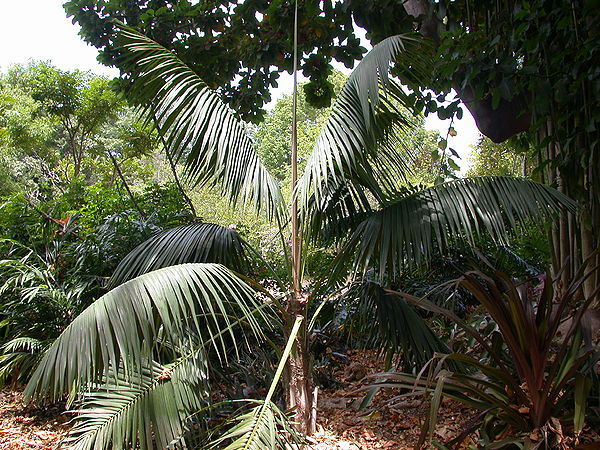
Fullerton arboretum, California

Los Angeles arboretum

San Diego Zoo, California

boxed for sale

look of mature palms in jungle-like climate, Hawaii

Hawaii

San Diego county, California

San Diego county

Ventura

Lotusland, Santa Barbara, California

Lotusland, Santa Barbara, California

boxed palm in San Diego county

Fullerton arboretum

Orange county, California

San Diego

Ventura county in desert-like climate

Los Angeles

boxed palms for sale

Orange county, California

Orange county

Orange county

San Diego, California

Los Angeles

Ventura, California

cleaned trunk
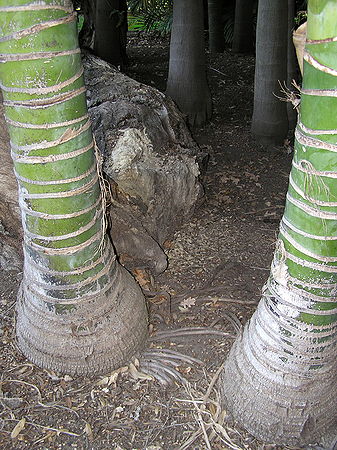
Huntington gardens, California

cleaned trunk
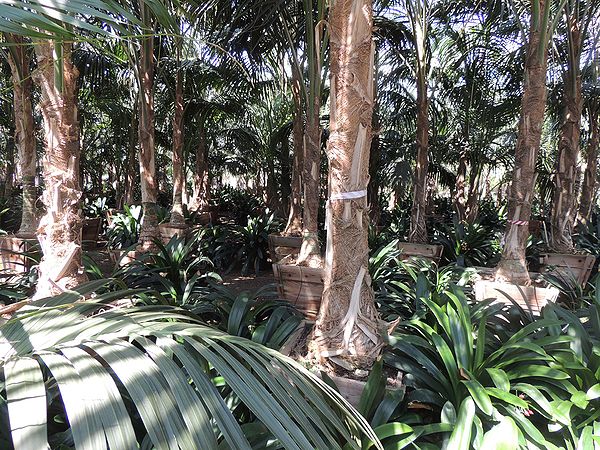
trunks with some fiber
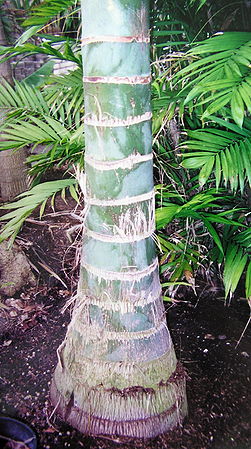
trunk shot
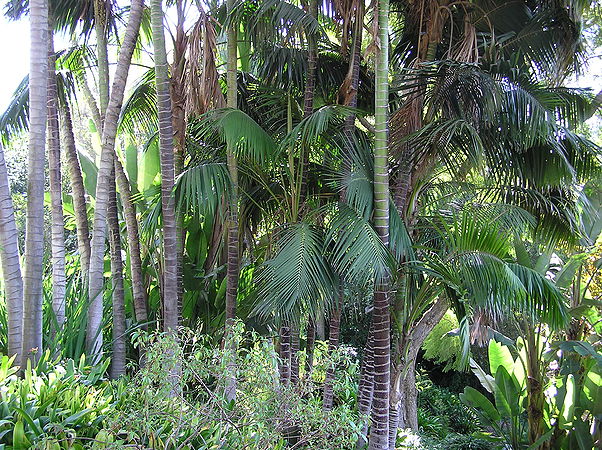
trunks in Los Angeles

variegated trunk, San Diego county, California

Hawaii

potted plant in mall

potted palm in mall
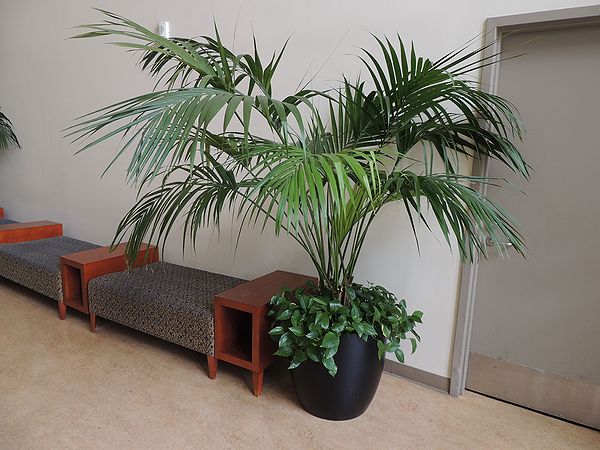
indoor palm

young palm (seedling)

leaf shot

variegated palm

variegated petiole

immature fruits

maturing fruits

fruits mostly picked clean by squirrels and thieves

immature fruits, Ventura, California

maturing fruits, Santa Barbara, California

in fruit

example of leaf scorch

leaner in San Diego

leaner closer

leaning crown

leaning in Orange county

leaning in Santa Barbara, California

leaning, Orange County, California


.JPG)

.JPG)


.JPG)


