Chamaedorea brachypoda
Geoff Stein - Author & Editor
Common Name: none
Chamaedorea brachypoda has been one of the Chamaedoreas grown in California for many decades, but has fallen out of favor due to the availability of better suited palms of similar shape and behavior. However, if managed well, this is still an attractive and interesting clustering, low growing, spreading bifid species for shady gardens in California.
|
Appearance and Biology
|
Horticultural Characteristics
|

Huntington Beach, California

Huntington Beach

Huntington Beach, a particularly nicely grown colony

Whitelock garden, Los Angeles

Lotusland, Santa Barbara, California

Huntington Beach, Rossten garden
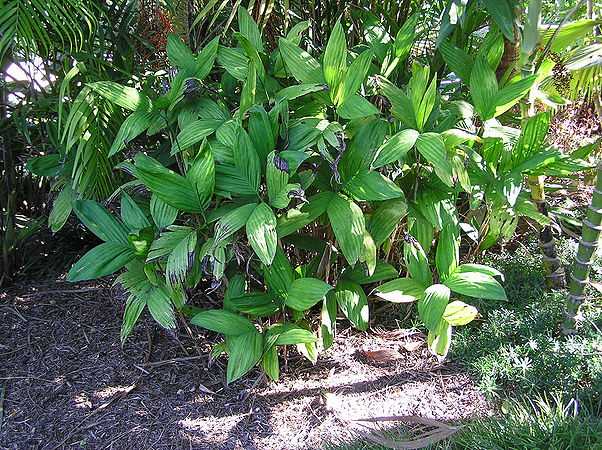
Santa Barbara, California, Schwarz garden


growing in well in Palm Desert, California

Hawaii

potted plant

Lotusland, Santa Barbara


